Understanding outdoor lighting can be challenging. When considering landscape illumination, one common question arises: what is the difference between post lights and pier lights? Both serve functional and aesthetic roles, but they have distinct characteristics.
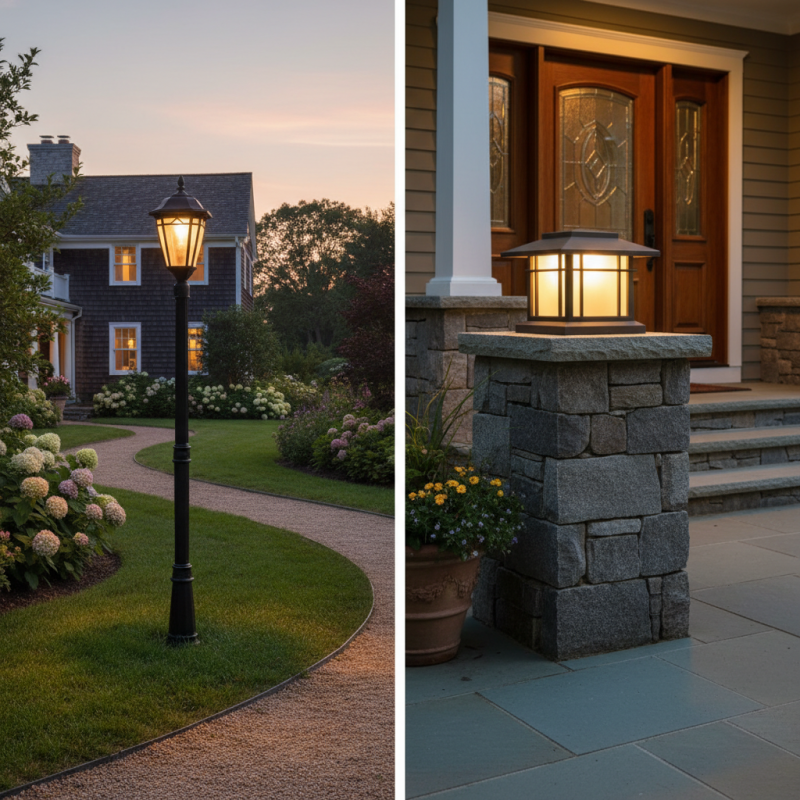
Post lights are typically mounted on tall posts. They illuminate pathways, yards, and driveways. Their height allows for broad coverage, making them ideal for larger areas. These lights often feature various styles, from modern to vintage. They can complement the overall garden design effectively.
On the other hand, pier lights are lower and installed on stone or concrete piers. They provide focused illumination, enhancing patios or entrance areas. While post lights shine high, pier lights shine low. This can create a cozy, intimate atmosphere. It's vital to recognize these differences. Each type has its own purpose, strengths, and design considerations. Thoughtful selection can elevate any outdoor space.
Understanding the Basics of Post Lights and Pier Lights
Post lights and pier lights serve distinct functions in outdoor lighting. Understanding their basics can help in making the right choice for your space. Post lights are typically mounted on tall posts. They illuminate pathways, gardens, and driveways. These lights provide broad light distribution, enhancing visibility and safety. Imagine a warm glow guiding your guests along a walkway in the evening.
On the other hand, pier lights are usually mounted on low walls or piers. They are commonly used around pools or docks. These lights have a more focused beam, creating a cozy atmosphere. Picture a softly lit dock that invites you to relax by the water. While both types enhance outdoor aesthetics, their placement and purpose differ.
It's essential to reflect on the specific needs of your outdoor area. Consider where you need light the most. Placement matters. You might find that a mix of post and pier lights offers the best results. Keep in mind, lighting should create a welcoming environment. It should not be too harsh. Striking the right balance takes thought and creativity.
Design Differences Between Post Lights and Pier Lights
When it comes to outdoor lighting, post lights and pier lights serve different aesthetic and functional needs. Post lights are generally mounted on tall poles. They are designed to illuminate pathways and driveways. Pier lights, in contrast, are often installed on short pillars or walls, highlighting garden features and providing security near water features. According to the International Association of Lighting Designers, these subtle differences can significantly affect the ambiance of outdoor spaces.
Design-wise, post lights tend to have a more vertical orientation, which can create a sense of height. They are versatile, coming in various styles, heights, and finishes. Pier lights have a more compact design, often with flat tops. This can limit their illumination range but make them ideal for focusing light on a specific area. Reports indicate that gardens illuminated by pier lights tend to feel cozier, while post lights can add grandeur. However, not every outdoor setting benefits from tall post lights, especially in densely planted gardens.
A 2022 survey revealed that 70% of homeowners prefer customizable lighting options. Choosing the right fixture depends on personal taste and landscape design. Poor choices can lead to "overlighting," making spaces feel harsh. Reflecting on the need for balance between function and beauty is crucial when selecting these lighting types.
Common Uses and Applications of Post Lights
Post lights serve various functions in outdoor lighting. They are commonly installed along pathways, in gardens, or near driveways. Their design typically includes a pole to elevate the light source, ensuring better illumination of the surrounding area. Homeowners often choose post lights for their decorative appeal and practicality, enhancing safety during nighttime.
In commercial settings, post lights are vital for providing visibility in parking lots and public spaces. Their height allows them to cover larger areas effectively. Many businesses prioritize energy-efficient post lights to reduce costs and environmental impact. Depending on the area, choosing the right style and brightness can greatly influence the ambiance. However, selecting the wrong type might lead to inadequate lighting or aesthetics that clash with the surroundings.
Pier lights, while similar, have specific applications too. They often focus on illuminating docks or retaining walls. Understanding these differences helps users select appropriate lighting for their needs. Despite the clarity of purpose for each type, many people find themselves unsure of which light suits their space best. The decision-making process can be tricky, as aesthetics and functionality must be balanced.
What is the Difference Between Post Lights and Pier Lights
Common Uses and Applications of Pier Lights
Pier lights have become a popular choice for various applications, especially in waterfront settings. These lights are commonly used to illuminate docks, piers, and marinas. Their design allows them to withstand harsh marine conditions, making them effective for such environments.
When placed strategically, pier lights can enhance safety and visibility at night.
In residential areas, pier lights serve as attractive features for waterfront homes. They not only light paths and walkways but also add a decorative touch. Many homeowners appreciate the glow these lights provide during evening gatherings. Additionally, in commercial spaces, pier lights can create a welcoming atmosphere, attracting customers to waterfront restaurants or shops.
However, choosing the right pier light can be challenging. Factors such as wattage, design, and material are crucial. Different styles can either blend in or stand out. It's essential to consider the overall aesthetic of the space. Reflecting on these choices can help individuals select lighting that matches their needs while also enhancing safety and ambiance.
Key Considerations When Choosing Between Post and Pier Lights
When considering post lights and pier lights, there are several key factors to evaluate. The placement of the lights plays a crucial role. Post lights are typically mounted on tall structures, providing elevated illumination. They are perfect for illuminating pathways or highlighting garden features. In contrast, pier lights are often used along docks or piers. Their low profile means they can offer safety without obstructing views.
The style of lighting also matters. Post lights come in various designs, allowing for more decorative options. They can enhance the aesthetic of landscapes. Pier lights tend to focus more on function than form. This often makes them more durable against harsh weather conditions. The energy efficiency of the bulbs used is another pivotal consideration. LED options for both types can provide significant savings in both energy and maintenance.
In addition, the surrounding environment should influence your choice. A well-lit pier can enhance safety for boaters and fishermen. However, excessive brightness may disrupt neighboring wildlife. Similarly, post lights can create shadows that affect visibility. It is essential to strike a balance between functionality and ecological responsibility. Reflecting on these aspects ensures a more thoughtful decision.
FAQS
: Pier lights are used to illuminate docks, piers, and marinas. They enhance visibility and safety at night.
Pier lights add decorative touches to homes. They light paths and create a welcoming atmosphere for gatherings.
Factors include wattage, design, and material. Reflect on how the lights complement your space's overall aesthetic.
Post lights are installed on tall structures, while pier lights are low-profile and designed for docks and piers.
Energy efficiency is crucial. LED options save energy and reduce maintenance costs for both types of lights.
Yes, excessive brightness may disrupt wildlife nearby. It’s important to balance functionality with ecological responsibility.
Yes, post lights come in various designs, enhancing landscape aesthetics. Pier lights focus more on functionality.
Consider how each option meets safety needs and complements the environment. It’s a thoughtful approach to decision-making.
Absolutely. Well-lit piers enhance safety for boaters and fishermen but must avoid excessive brightness.
Generally, yes. Pier lights prioritize durability and safety over decorative design in harsh weather conditions.
Conclusion
When exploring what is the difference between post lights and pier lights, it's essential to understand their basic features and design elements. Post lights are typically mounted on tall poles and are used for illuminating pathways, driveways, and gardens, providing a broad beam of light. In contrast, pier lights are often installed on piers or waterfront areas, delivering focused lighting that enhances visibility and safety around docks and waterfront properties.
Both types of lighting serve specific purposes in various applications. Post lights are commonly used in residential settings for aesthetic purposes and functional lighting, while pier lights are essential in marine environments to guide boats and ensure safety. When choosing between the two, key considerations include the intended use, location, and desired ambiance. Understanding these distinctions will help homeowners and designers select the most appropriate lighting solution for their needs.

 Merak Lighting