How to Stop Leaf Burn from Greenhouse Grow Lights?

Time:2026-07-13 Author:Isabella
0%

When growing plants in a greenhouse, light is essential. However, too much exposure can lead to problems. Many growers ask, "why are my greenhouse grow lights causing leaf burn?" This question points to a common issue that can devastate crops. Leaf burn occurs when plants receive excessive light intensity or heat from grow lights.

Understanding the causes of leaf burn is crucial. Improper light placement is a frequent mistake. If grow lights are too close, they can scorch leaves. Additionally, not all plants require the same light intensity. A lack of knowledge about plant needs can lead to care mistakes.

Managing light is vital for healthy growth. Adjusting the height of grow lights can help. It's also essential to monitor temperature and humidity levels closely. Remember, every plant has unique requirements. Taking the time to assess your environment carefully can prevent stress and ensure thriving plants.
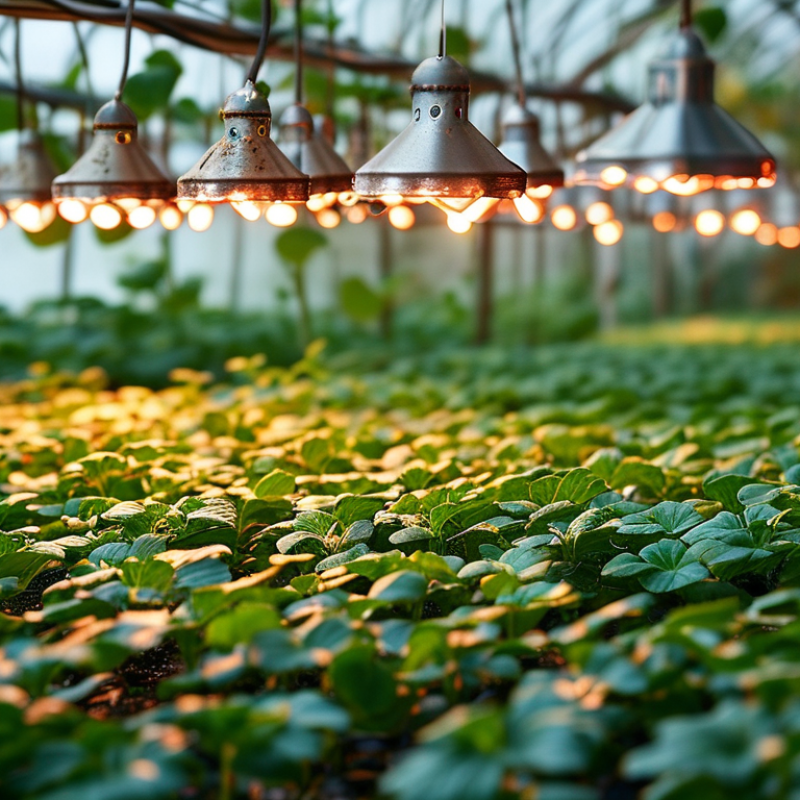
How to Stop Leaf Burn from Greenhouse Grow Lights?

Understanding Leaf Burn: Causes and Effects of Grow Lights

Leaf burn is a common issue for many growers using greenhouse grow lights. Understanding its causes is essential for protecting plants. Leaf burn typically occurs when plants receive excessive light or heat. High-intensity lights can raise temperatures quickly, stressing plants. This stress leads to crispy edges or brown spots on leaves. Not all plants react the same way to light intensity, making it crucial to know specific needs.

Different factors contribute to leaf burn. Light intensity, distance to the plants, and duration of exposure play major roles. Strong bulbs can cause harm if positioned too close. Inadequate airflow can trap heat, exacerbating the issue. Even humidity levels affect how plants react to light exposure. Some plants might tolerate high light levels, while others suffer easily. Monitoring these factors is vital for healthy growth.

Growers can implement strategies to prevent leaf burn. Adjusting the height of lights is a simple solution. Spacing plants can ensure better airflow. Regular observation helps identify early signs of stress. It's normal not to get it right every time. Learning from past mistakes improves future practices. Each plant is unique, requiring ongoing adjustments. Taking these steps promotes a thriving greenhouse environment.

Effects of Different Grow Light Intensities on Leaf Burn Severity

This chart illustrates the severity of leaf burn at different intensities of greenhouse grow lights. As the light intensity increases, the severity of leaf burn also increases, highlighting the importance of carefully managing light exposure in greenhouse environments.

Optimal Light Spectrum: Choosing the Right Wavelengths for Plants

Choosing the right light spectrum for greenhouse plants is crucial. Different wavelengths affect plant growth in various ways. Plants primarily use red and blue light for photosynthesis. However, too much of these wavelengths can lead to leaf burn.

Understanding the optimal light spectrum involves experimentation. Each plant species may respond differently. For instance, while some thrive under higher red wavelengths, others may prefer more blue. It's essential to monitor your plants closely. Watch for signs of stress or abnormal growth. Adjust your light setup accordingly to find a balance.

Incorporating supplemental lighting can also help. Dimming the lights or changing the distance between the plants and light sources might reduce leaf burn. Remember that not all plants need the same amount of light. Overexposing certain species can lead to damage. Always be ready to adapt your approach based on the needs of your plants for healthier growth.

Distance Matters: Proper Placement of Grow Lights to Prevent Damage

When using greenhouse grow lights, proper placement is crucial to prevent leaf burn. The distance between your plants and the lights greatly affects the overall health of your greens. If grow lights are too close, the intense heat can damage leaves. This can happen even if the light output seems low. Plants need adequate light, but they also require space from the source to thrive.

Adjusting the height of your lights is an effective way to manage this risk. A common rule of thumb is to keep the lights at least 12 to 24 inches above the plants. However, this distance may vary depending on the type of light used. LED lights emit less heat, allowing them to be placed closer than traditional HID lights. Observing your plants can also provide insight—if leaves start to curl or develop brown edges, it’s time to raise those lights.

Monitoring and adjusting light placement involves trial and error. Many growers find this process frustrating but essential for a successful harvest. Mistakes can happen, like forgetting to adjust lights as plants grow taller. Regular checks and adjustments are necessary to ensure that your plants receive the light they need without risking damage. So, stay vigilant, and don't hesitate to experiment for the best results.

How to Stop Leaf Burn from Greenhouse Grow Lights? - Distance Matters

Grow Light Type Recommended Distance (in inches) Common Issues at Incorrect Distance Optimal Duration (per day)
LED Grow Lights 12-24 Leaf burn, stunted growth 12-16 hours
Fluorescent Grow Lights 6-12 Yellowing leaves, weak stems 14-18 hours
HID Grow Lights 24-36 Burned leaf edges, drooping 10-12 hours
CFL Grow Lights 5-10 Poor growth, discoloration 12-14 hours

Humidity and Temperature: Maintaining Ideal Conditions to Reduce Leaf Burn

Humidity and temperature greatly influence the health of plants under greenhouse grow lights. When these factors are not balanced, leaf burn occurs more frequently. High temperatures combined with low humidity can stress the plants. The warm air can dry out leaves, leading to irreversible damage.

Tips: Monitor your greenhouse temperature regularly. Aim for optimal levels around 75-85°F during the day and a slightly cooler 60-70°F at night. Ensure adequate humidity around 50-70%. This range helps retain moisture without causing mold.

To effectively manage humidity, use humidifiers or water trays. Increasing humidity can combat the heat from strong grow lights. However, be cautious not to overdo it. Excessive moisture can lead to fungal problems. Inadequate airflow can also increase disease risks, so ensure proper ventilation in your greenhouse.

Ultimately, finding the right balance is essential. You might need to adjust your methods over time. Regularly check plant responses and adapt as needed. Experimenting and observing will lead to healthier plants and reduce the risk of leaf burn significantly.

Monitoring Plant Health: Signs of Leaf Burn and Corrective Measures

Monitoring plant health is crucial for successful greenhouse gardening. Leaf burn is a common issue when using grow lights. This damage appears as brown, crispy edges on leaves. Recognizing these signs early can help prevent further harm to your plants.

Tips: Adjust the height of your grow lights. Keeping lights too close can increase temperature and cause stress. Maintain a distance that allows light to penetrate without excessive heat. Monitoring the temperature around your plants is essential.

Signs of leaf burn include wilting, discoloration, and stunted growth. If you notice these symptoms, investigate the light conditions. Cool your environment by increasing ventilation. Check humidity levels as low humidity can exacerbate leaf burn.

Tips: Rotate plants regularly. This ensures all sides receive equal light exposure. A balanced approach promotes even growth. Regularly inspect your plants for any signs of distress. Early intervention is key to maintaining plant health.

FAQS

: What causes leaf burn in plants?

: Leaf burn occurs due to high temperatures and low humidity. The dry air can damage leaves irreversibly.

What is the ideal temperature range for plants in a greenhouse?

Aim for 75-85°F during the day. At night, a cooler range of 60-70°F is preferred.

How can I maintain proper humidity levels?

Use humidifiers or water trays. This can help retain moisture and combat heat from grow lights.

What are the signs of leaf burn?

Look for brown, crispy edges on leaves, wilting, or stunted growth. These indicate possible leaf burn.

How can I adjust my grow lights to prevent damage?

Keep the lights at a proper distance. They shouldn't be too close to avoid raising temperature excessively.

What should I do if I notice leaf burn symptoms?

Increase ventilation to cool the environment. Check humidity levels, as low moisture can worsen leaf burn.

How often should I inspect my plants?

Regular inspections are crucial. Look for signs of distress and adjust your care accordingly.

Can humidity levels be too high?

Yes, excessive humidity may lead to fungal issues. It's important to balance moisture levels properly.

Is it necessary to rotate plants in the greenhouse?

Yes, rotating plants ensures even light exposure. This helps promote balanced growth.

How can I tell if my methods need adjustment?

Observe plant responses. If distress signs appear, reflections on your methods may be necessary for improvements.

Conclusion

Leaf burn in plants can occur due to improper use of greenhouse grow lights, and understanding the causes is crucial for successful cultivation. The article addresses why are my greenhouse grow lights causing leaf burn by highlighting the importance of the optimal light spectrum and the right wavelengths for plant growth. Additionally, it emphasizes the significance of the distance between the grow lights and the plants, where improper placement can lead to excessive heat and light exposure, harming the foliage.

Moreover, maintaining ideal humidity and temperature levels is essential to mitigate the risk of leaf burn. The article also outlines how to monitor plant health, offering insights into the signs of leaf burn and effective corrective measures. By following these guidelines, growers can create a more suitable environment for their plants, ultimately enhancing growth while preventing damage from grow lights.

Isabella

Isabella

Isabella is a dedicated marketing professional with a sharp focus on driving brand growth and engagement through strategic content creation. With an extensive background in digital marketing, she combines her passion for storytelling with her keen understanding of industry trends to deliver......