Engineered to deliver exceptional lumen efficacy, water-tight IP68/IP65 ratings, and structural durability under intense environmental stresses.
The structural development of the global underwater lighting market has entered an era governed by strict energy compliance and demanding structural parameters. No longer relegated simply to cosmetic swimming pool lighting, modern submersible illumination plays a vital role in municipal marine harbors, offshore oil extraction sites, architectural water features, marine biology research vessels, and commercial-grade containment facilities. According to recent market intelligence reports, the global underwater lighting sector is experiencing accelerated demand, primarily driven by investments in high-end waterfront developments, commercial aquaculture engineering projects, and a systemic push to transition existing halogen systems to smart solid-state LED systems.
From a commercial and industrial perspective, submersed fixtures must resist harsh environmental elements such as continuous hydrostatic pressure, biological build-ups, chemical sanitizers (specifically chlorine and bromine compounds), and galvanic corrosion from saltwater. Manufacturers face the challenge of combining aesthetic design with robust industrial engineering. Under this landscape, Zhongshan Merak Lighting Co., Ltd. has positioned itself at the nexus of technology and production capacity, offering engineered systems built to survive critical submersed conditions while delivering industry-leading lumens-per-watt efficiency.
The baseline requirement of any underwater luminaire is the absolute prevention of water ingress under varying thermal cycles. When an underwater light is powered on, it generates internal heat, causing the air inside the housing to expand. When turned off, the sudden cooling produces a negative internal pressure vacuum. This vacuum pulls moisture through any weak points in seals, cable entryways, or structural joints.
Our factory uses corrosion-resistant AISI 316L Stainless Steel and hard-anodized marine-grade aluminum alloys to counter these issues. Silicon rubber double O-ring seals, custom vulcanized polyurethane cables, and vacuum-infused protective epoxy resin potting compounds form a three-tier ingress protection barrier. For deep-immersion installations, we run structural stress tests matching pressure levels at depths up to 20 meters.
Lighting in water behaves differently than in air. Water has a refractive index of approximately 1.333, which shifts beam angles and scatters light rays. Standard optic lenses designed for open-air applications often fail to deliver the desired distribution under water, resulting in hot spots and rapid lumen decay over distance.
To solve this, our engineering team designs custom collimating lenses that pre-compensate for the refractive characteristics of water. This ensures precise beam control, whether for narrow 15-degree spotlights that illuminate tall fountains or wide-angle floodlighting for swimming pools. We also employ tempered, high-transmittance borosilicate glass covers that resist thermal shocks and mineral scaling, ensuring optimal lumen output and long-term clarity.
Zhongshan Merak Lighting Co., Ltd. is a professional manufacturer and supplier of innovative LED lighting solutions, located in Zhongshan City, Guangdong Province, China—one of the world's leading lighting industry hubs.
Since its establishment, Merak Lighting has been committed to delivering high-quality, energy-efficient, and reliable lighting products to customers worldwide. With a strong focus on innovation, quality, and customer satisfaction, our company specializes in the design, development, production, and distribution of a wide range of LED lighting products for residential, commercial, hospitality, and outdoor applications. Our experienced R&D team continuously explores new technologies and lighting trends to provide products that combine outstanding performance, modern aesthetics, and environmental sustainability.
As a direct manufacturer, we maintain strict quality control throughout every stage of the production process. From raw material selection to final product testing, all products undergo rigorous inspection to ensure compliance with international quality and safety standards. This integrated manufacturing approach enables us to offer competitive pricing, consistent quality, and flexible customization services to meet the diverse requirements of global customers.
Today, Merak Lighting serves clients across North America, Europe, the Middle East, Southeast Asia, and other international markets. We are dedicated to building long-term partnerships by providing professional support, timely delivery, and customized lighting solutions that create value for our customers.
Exceptional products and tailored solutions to help clients achieve their business goals.
Continuous R&D investment to improve product performance, design, and energy efficiency.
Highest standards of manufacturing management reflecting reliability and craftsmanship.
Conducting business with honesty, transparency, and professional trust.
Creating energy-efficient lighting solutions that contribute to a greener future.
Improving daily through learning, innovation, and global collaboration.
Step-by-step rigorous industrial manufacturing within our Zhongshan facility
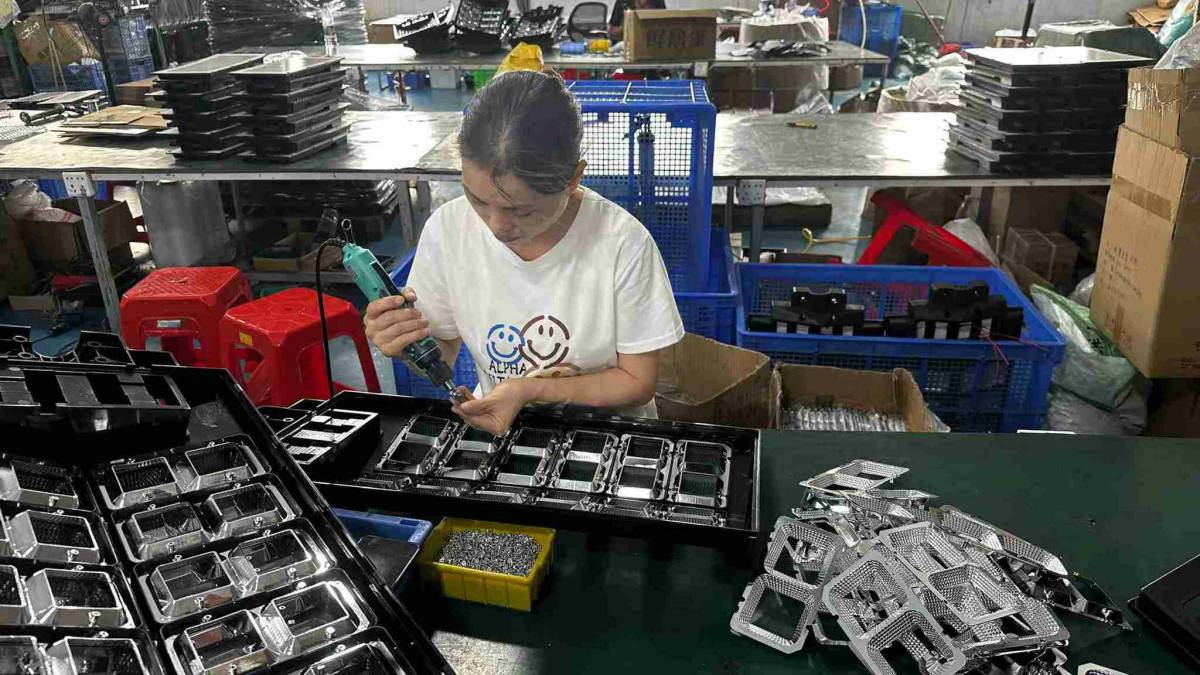
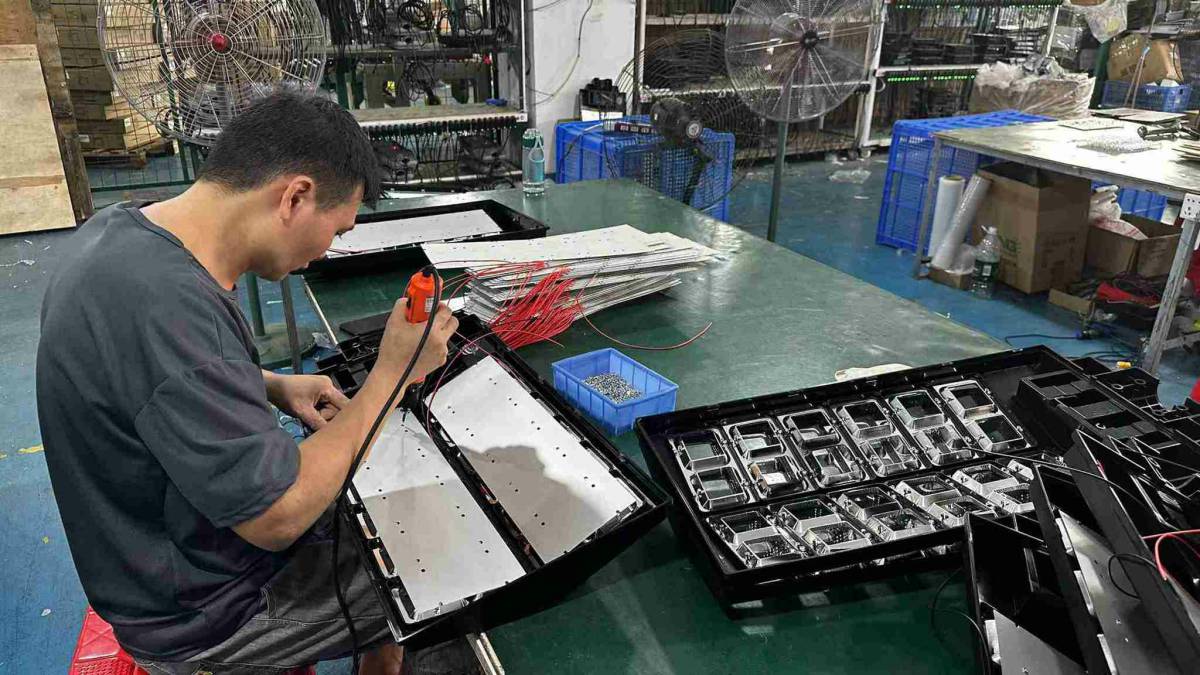
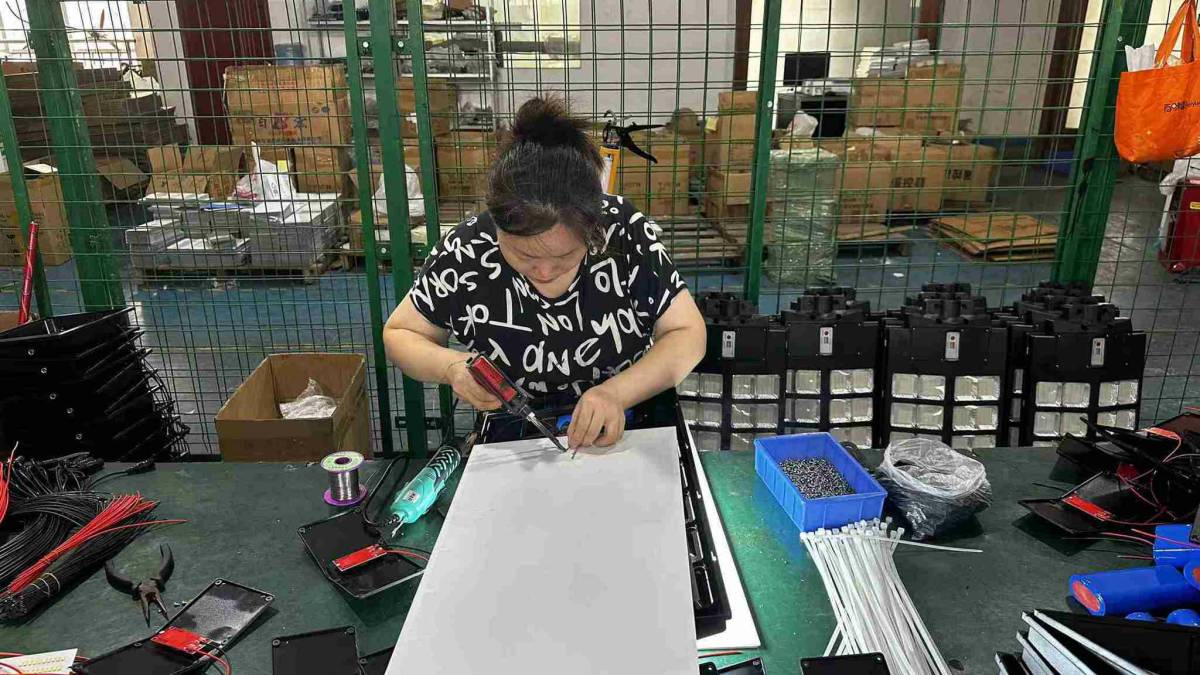
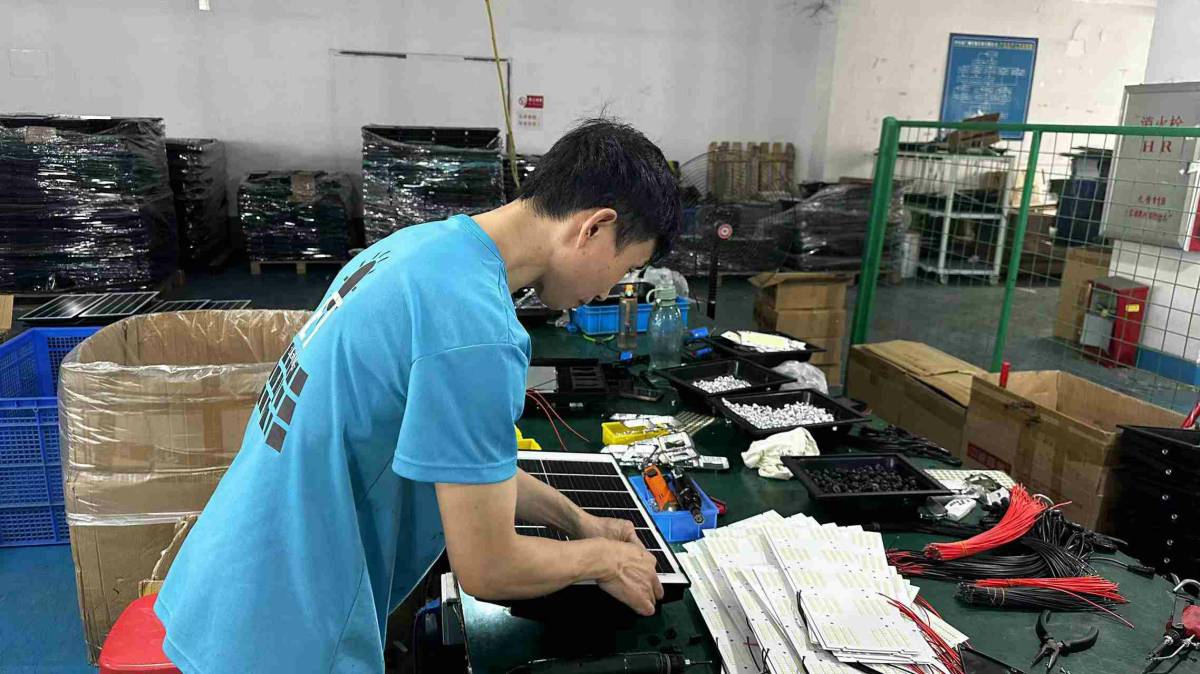
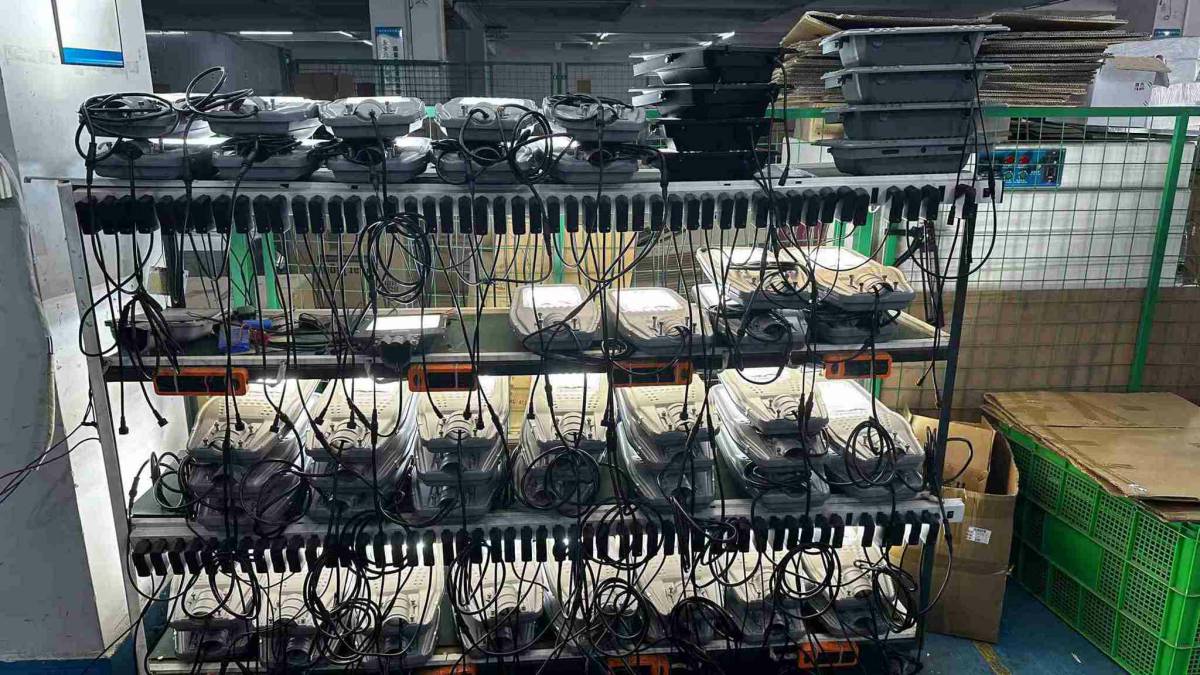
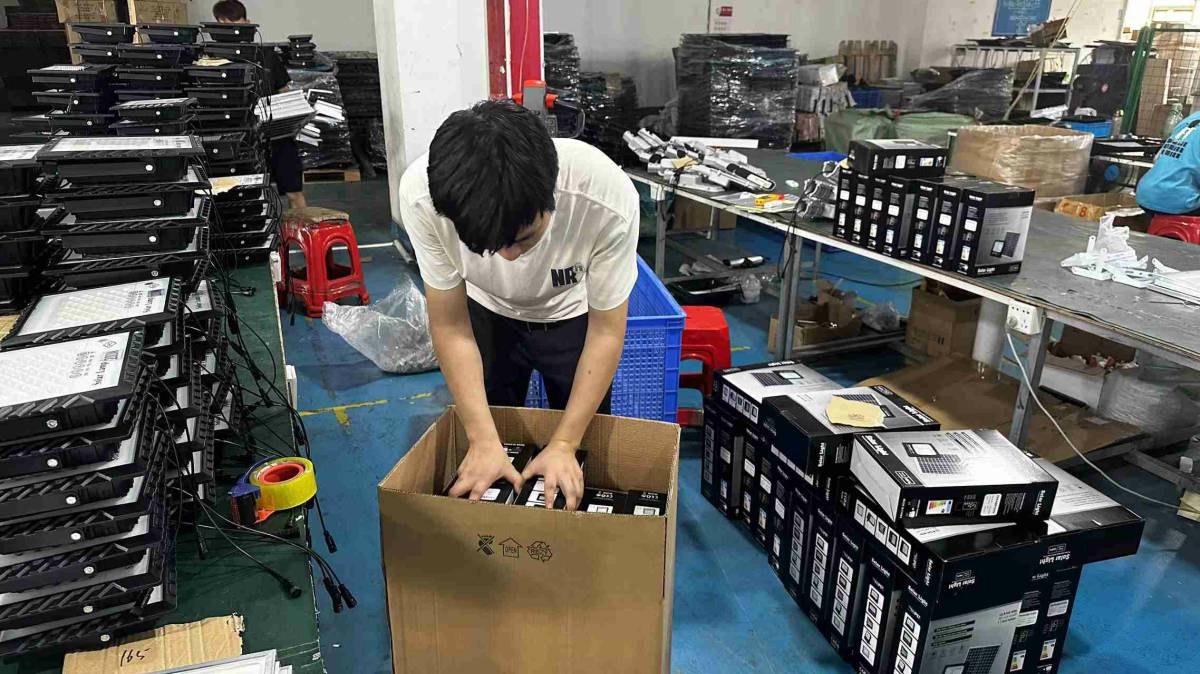
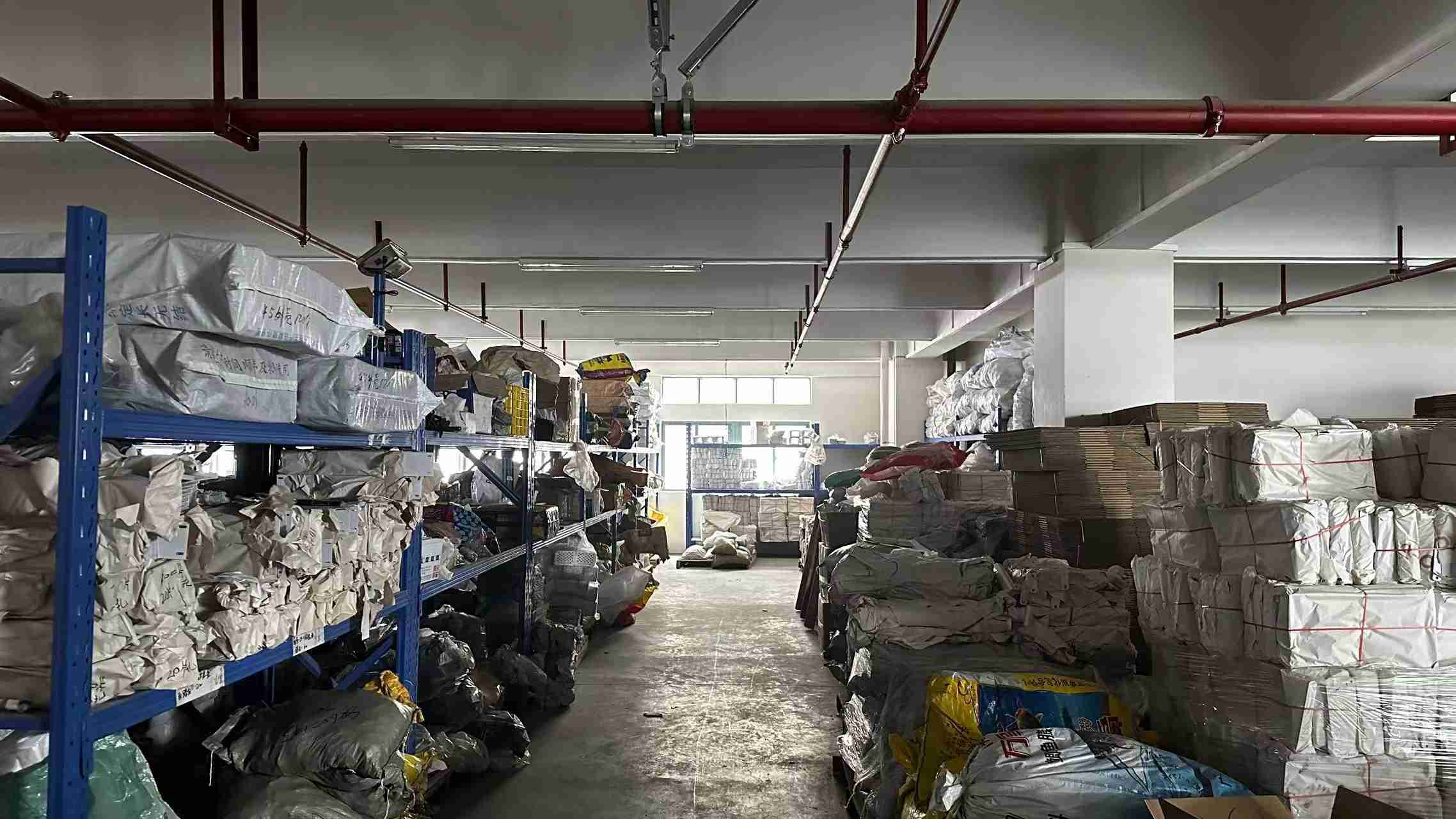
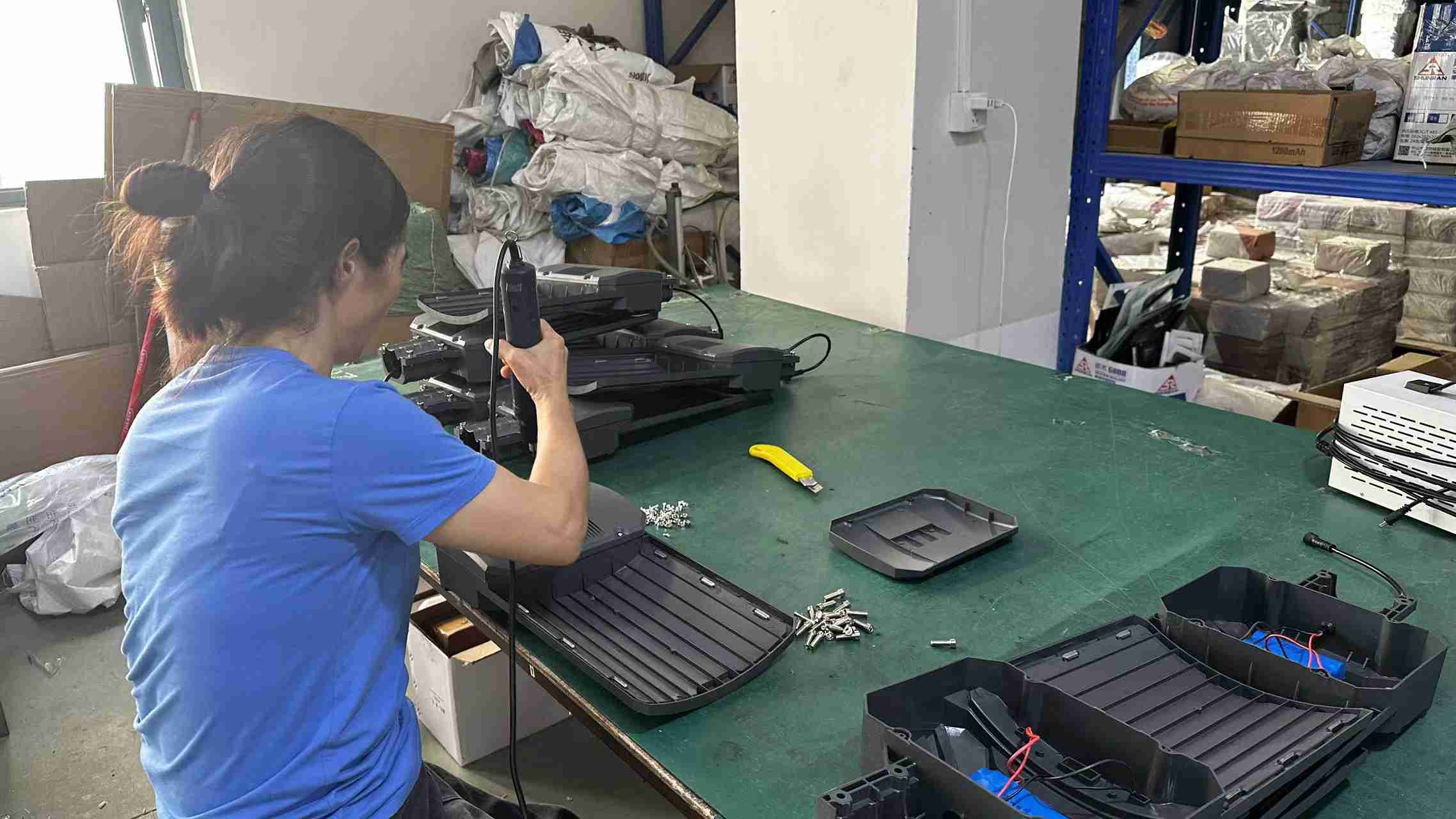
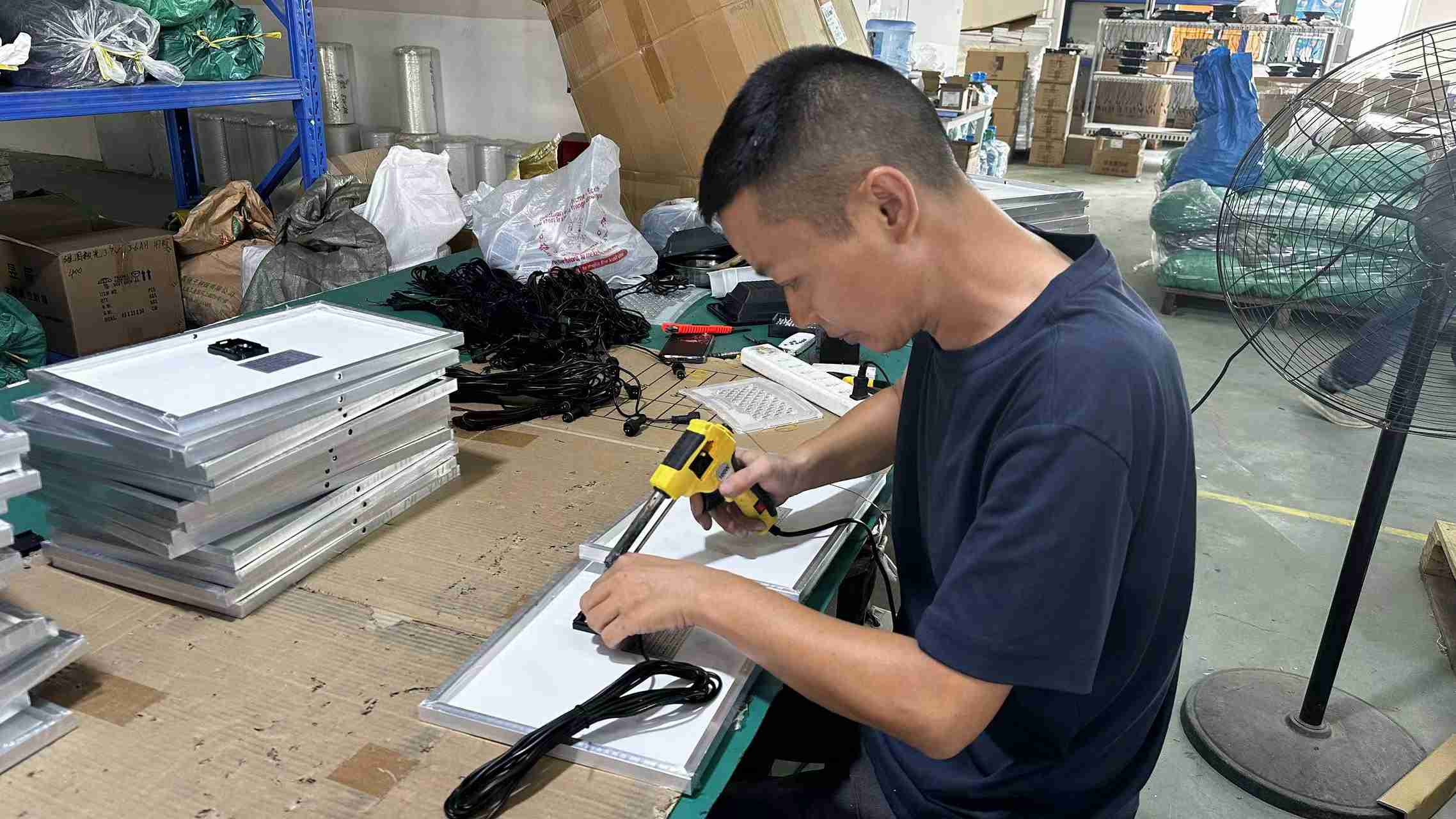
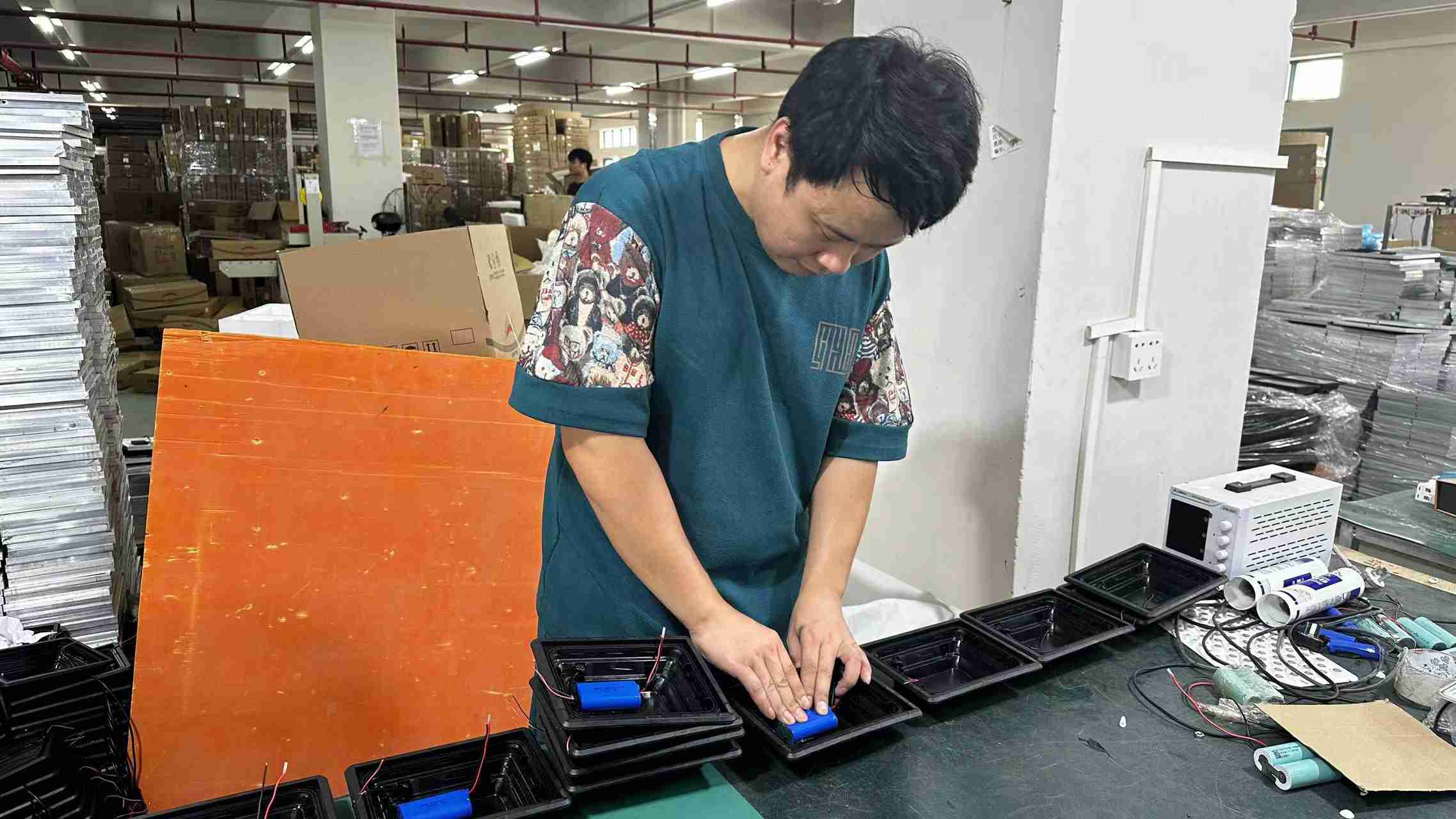
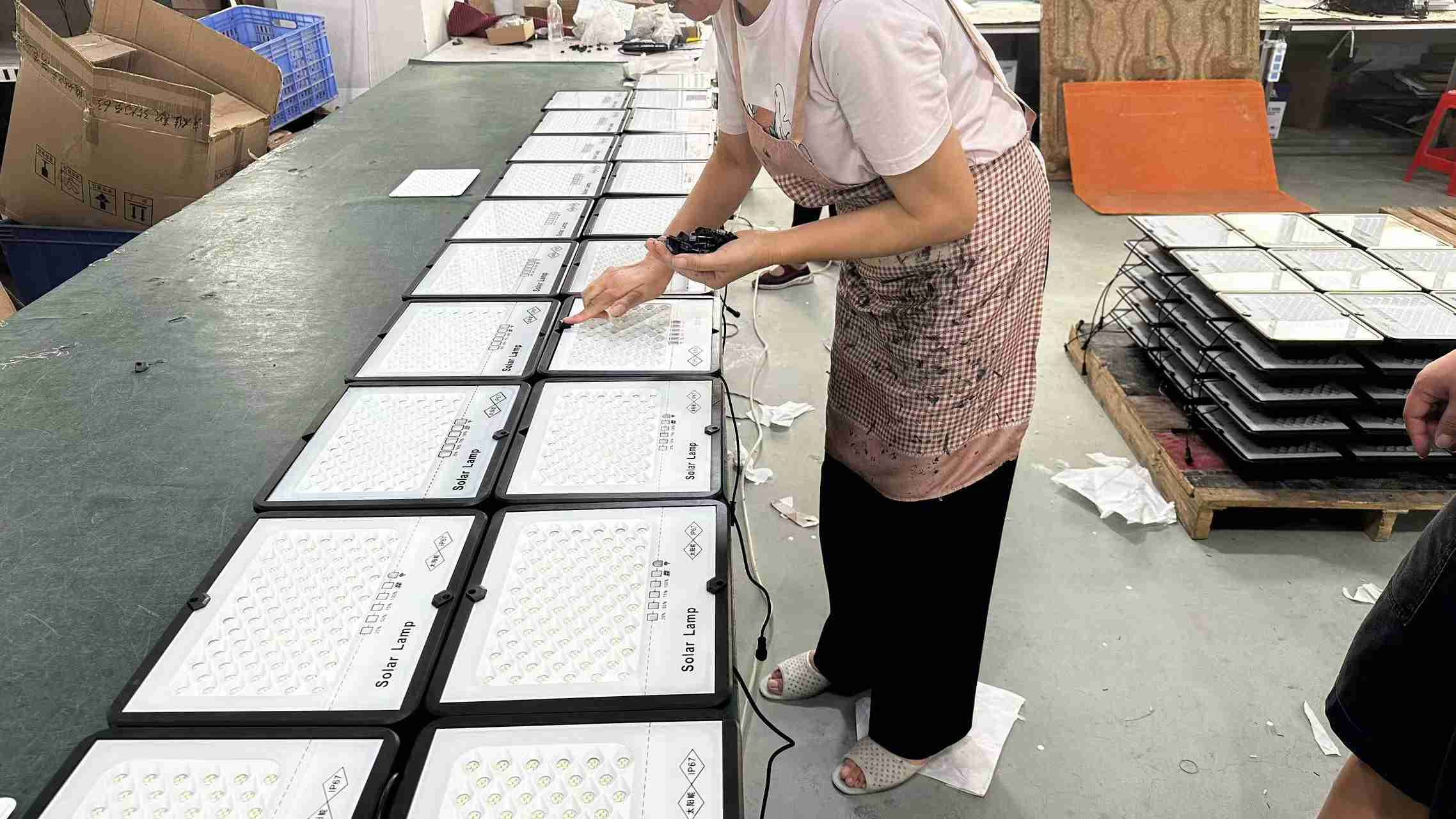
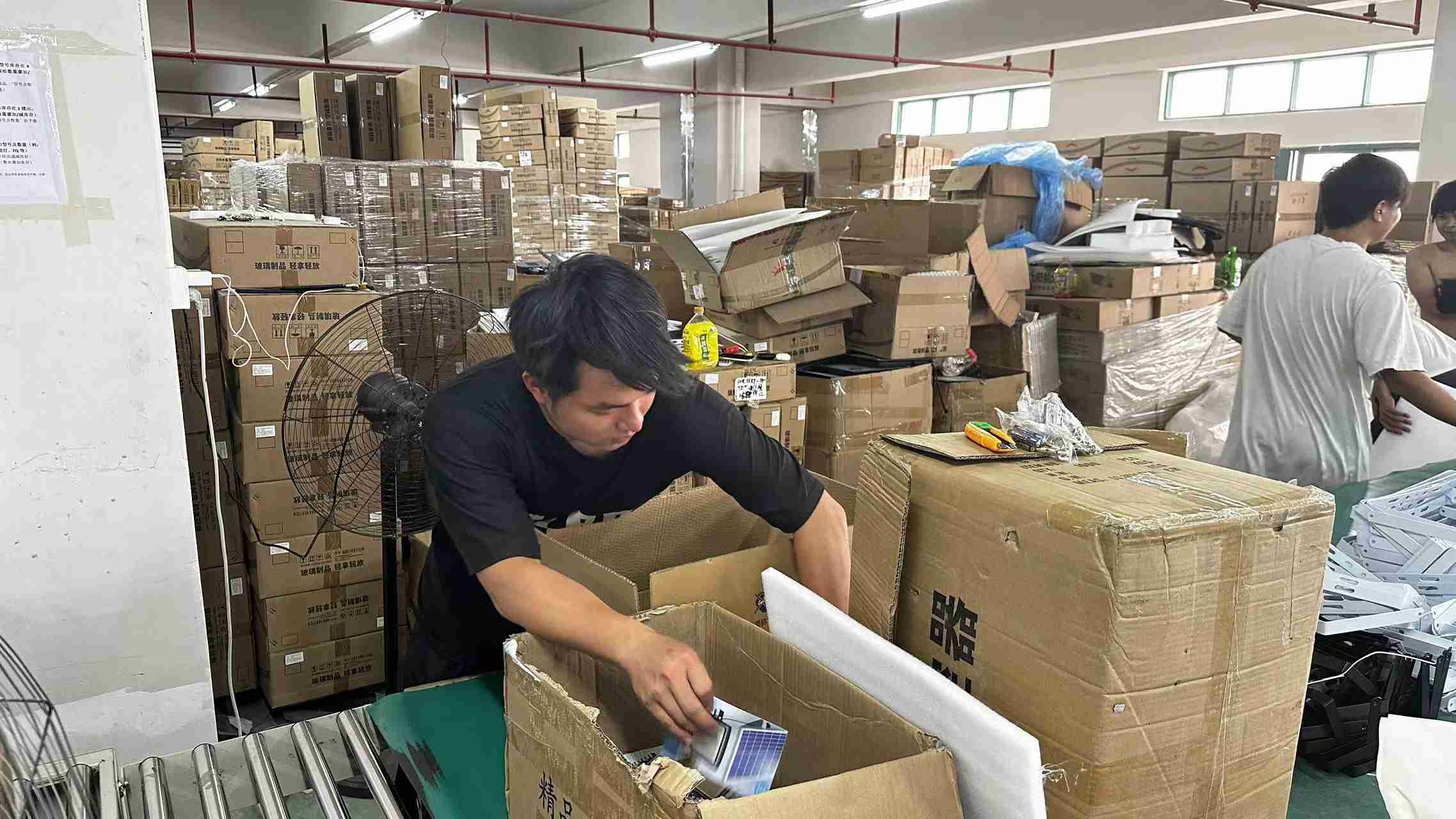
Submersible luminaires operate in highly distinct environments, requiring customized solutions for each setting.
The lighting industry is moving beyond standard static illumination. The roadmap for underwater LED systems is characterized by smart capabilities, adaptive optics, and advanced power management.
Our R&D efforts focus on introducing IoT-connected smart drivers capable of monitoring real-time performance variables, including temperature, moisture accumulation, and voltage drops. This enables predictive maintenance, helping operators identify and address potential seal failures before they result in system-wide water ingress. Furthermore, our development of high-density COB (Chip-on-Board) modules and light guides allows us to deliver intense, focused light while minimizing glare and light pollution in aquatic ecosystems.
Critical answers for specifying engineers, project managers, and distributors of industrial underwater lighting solutions.
Broad spectrum industrial, explosion-proof, and commercial-grade luminaires built for demanding installations.
 Merak Lighting