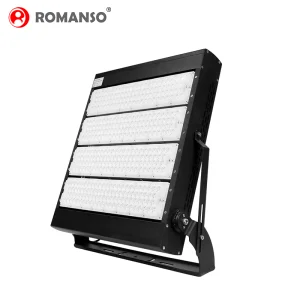
 Austrian Alpine Stadium Lighting UL ETL 5 Years Warranty High Mast 200w-2000w Led Flood Light
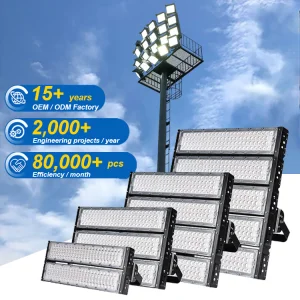 100W-1000W Vienna Series Outdoor Led Flood Light High Mast Pole Projector for Tunnel & Field
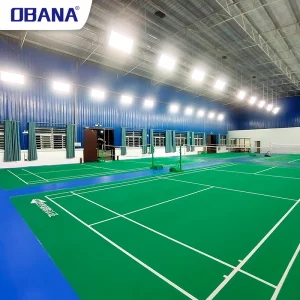 Salzburg OBANA High Power Led Lamp Flood Light 65w-130w Stadium Lighting for Badminton Courts
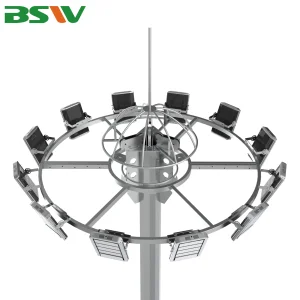 High Power Industrial Outdoor High Mast Graz Edition Football Soccer Stadium LED Flood Light
In the heart of Europe, Austria represents a sophisticated market where precision engineering meets stringent environmental regulations. Stadium lights manufacturers targeting this region must navigate a unique intersection of high-altitude climate challenges, strict "Dark Sky" light pollution laws (ÖNORM O 1052), and an uncompromising demand for energy efficiency.
The Austrian market is transitioning rapidly from traditional HID and Metal Halide systems to advanced LED architectures. This shift is driven by the national commitment to carbon neutrality by 2040. For stadium operators in cities like Vienna, Salzburg, and Innsbruck, the focus has moved beyond mere brightness to "Quality of Light"—specifically flicker-free technology for HD broadcasting and modular designs that can withstand extreme snowfall and fluctuating temperatures in alpine regions.
Globally, the sports lighting industry is projected to grow at a CAGR of 7.5% through 2030. The primary driver is the "Smart City" integration. Modern stadium lights are no longer isolated fixtures; they are IoT-enabled nodes capable of DALI-2 or DMX dimming, allowing venue managers to create light shows, manage load shedding, and perform remote diagnostics.
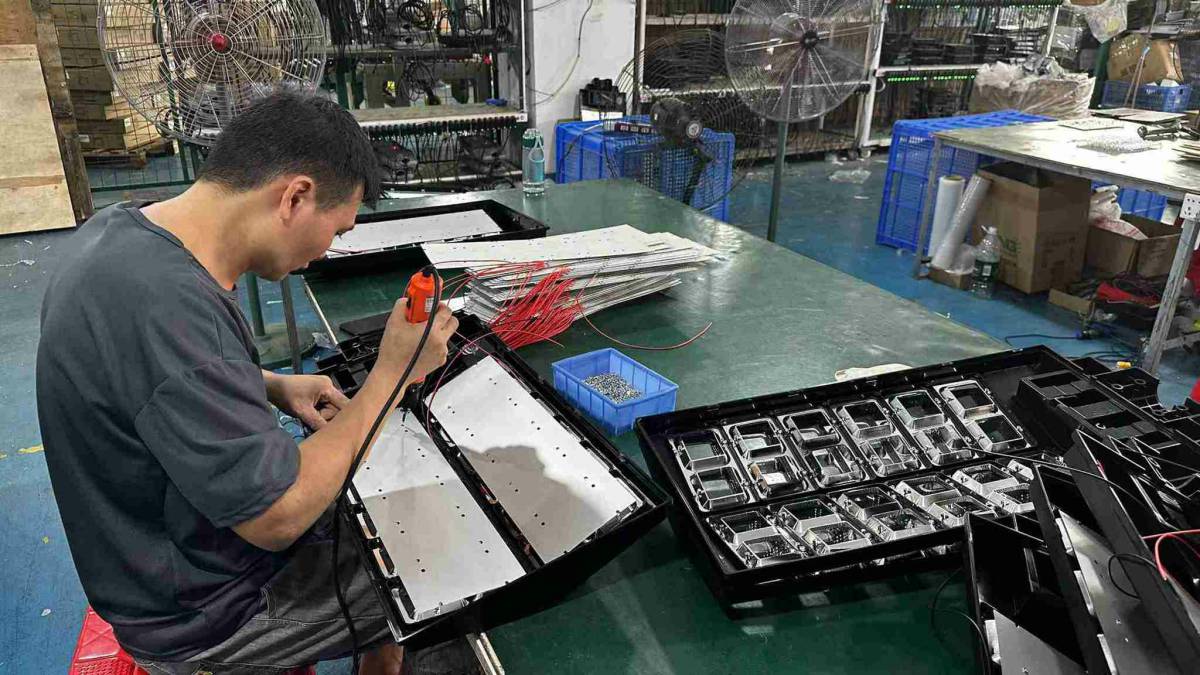
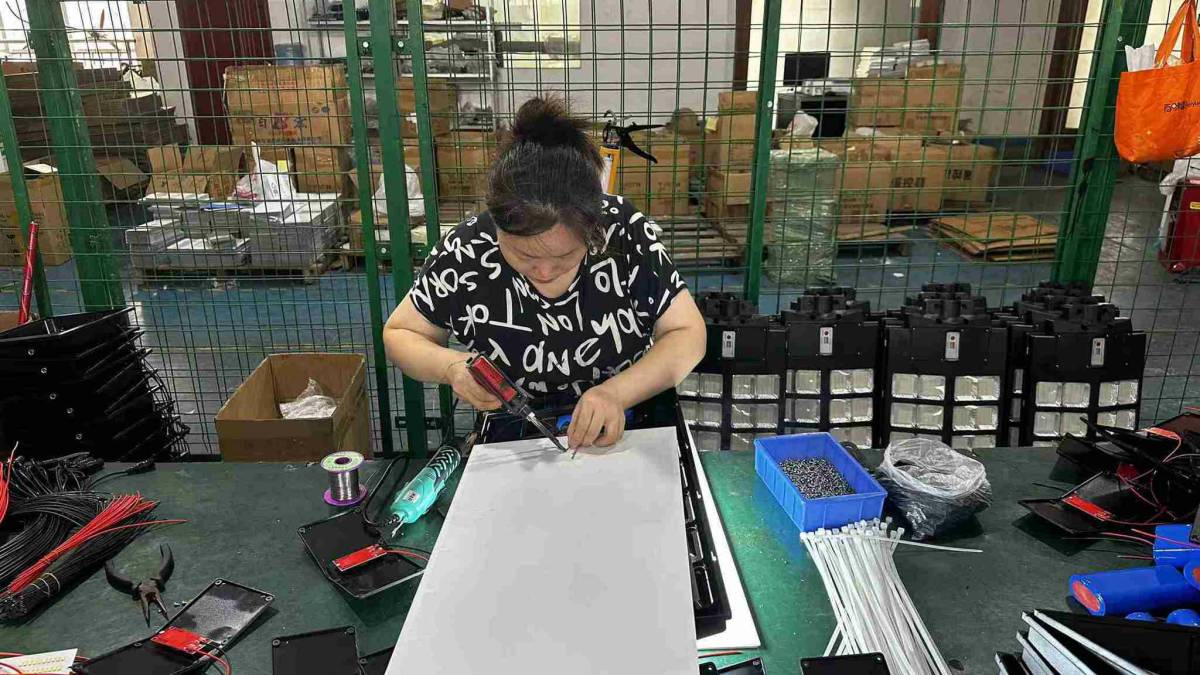
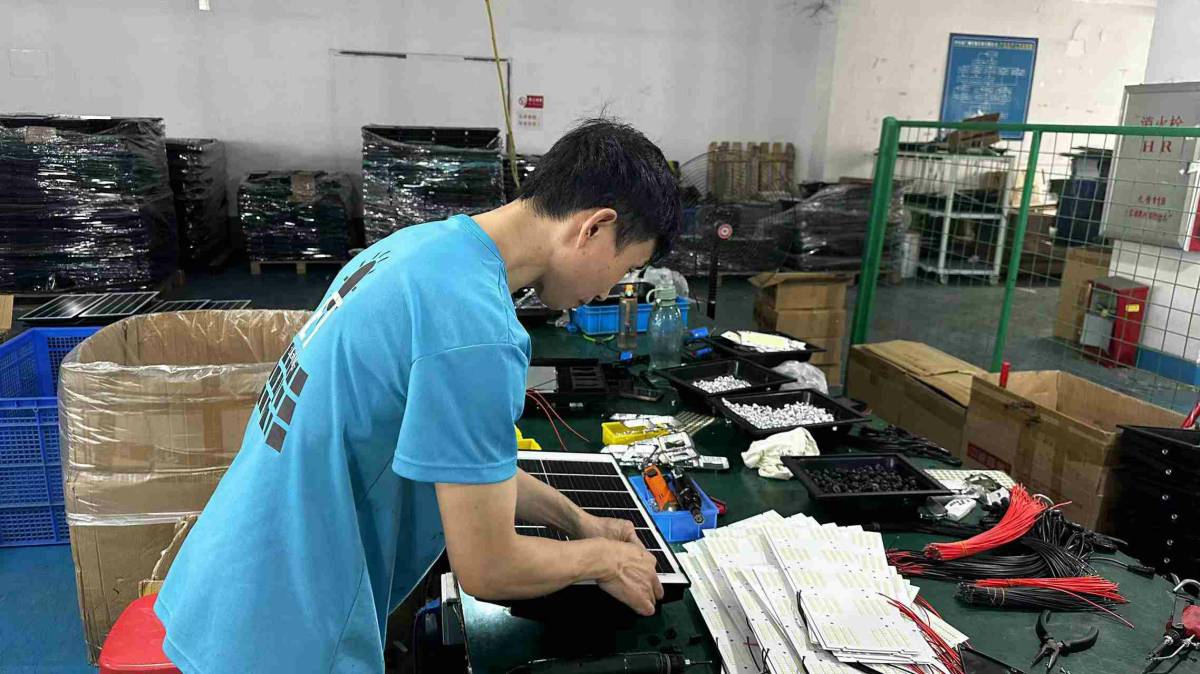
Zhongshan Merak Lighting Co., Ltd. stands as a beacon of manufacturing excellence in Zhongshan City, Guangdong—the world's epicenter for LED development. Our factory is not merely a production site; it is an R&D powerhouse where we solve the specific pain points of European contractors.
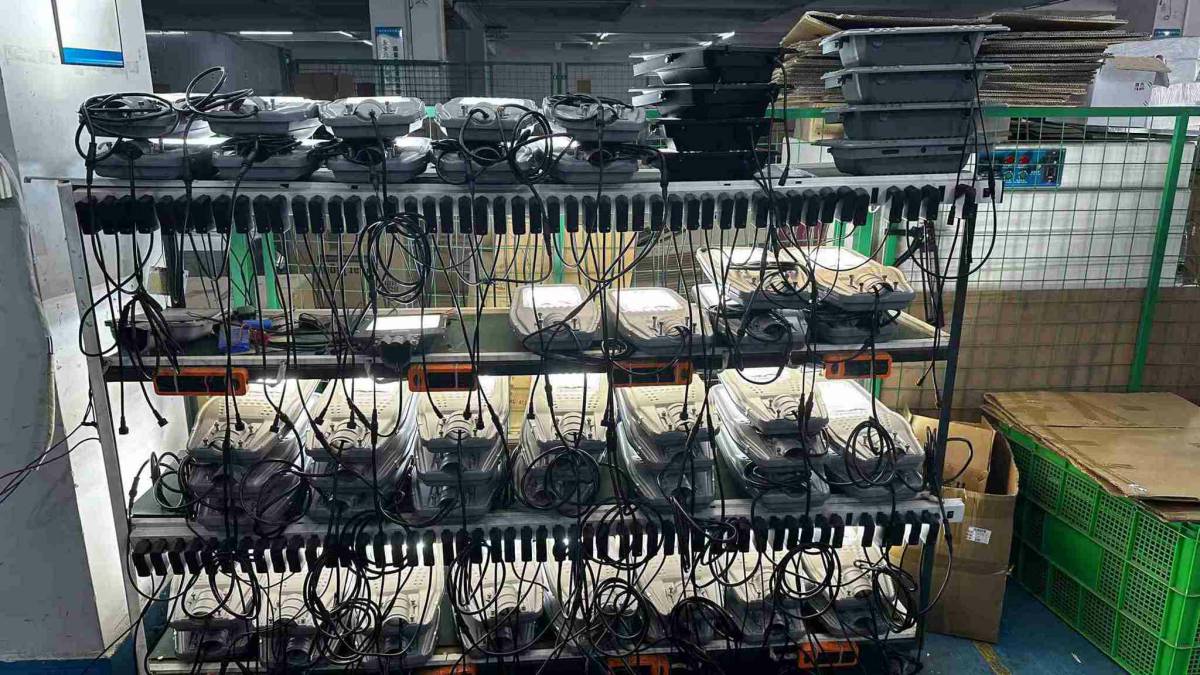
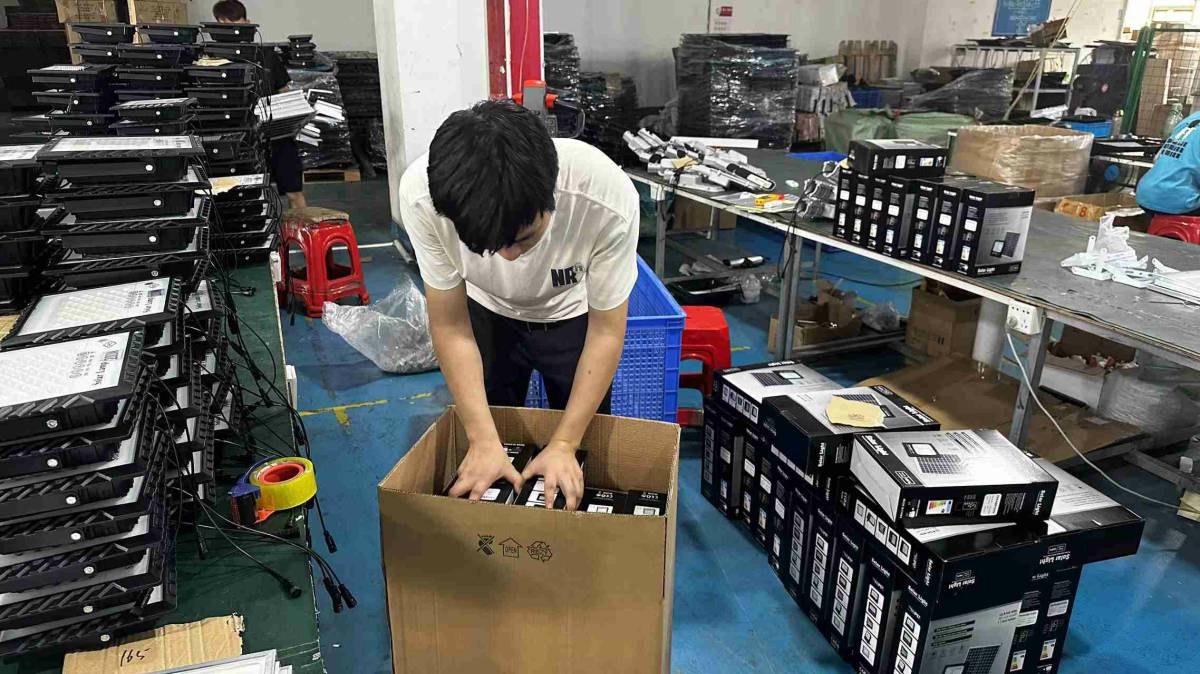
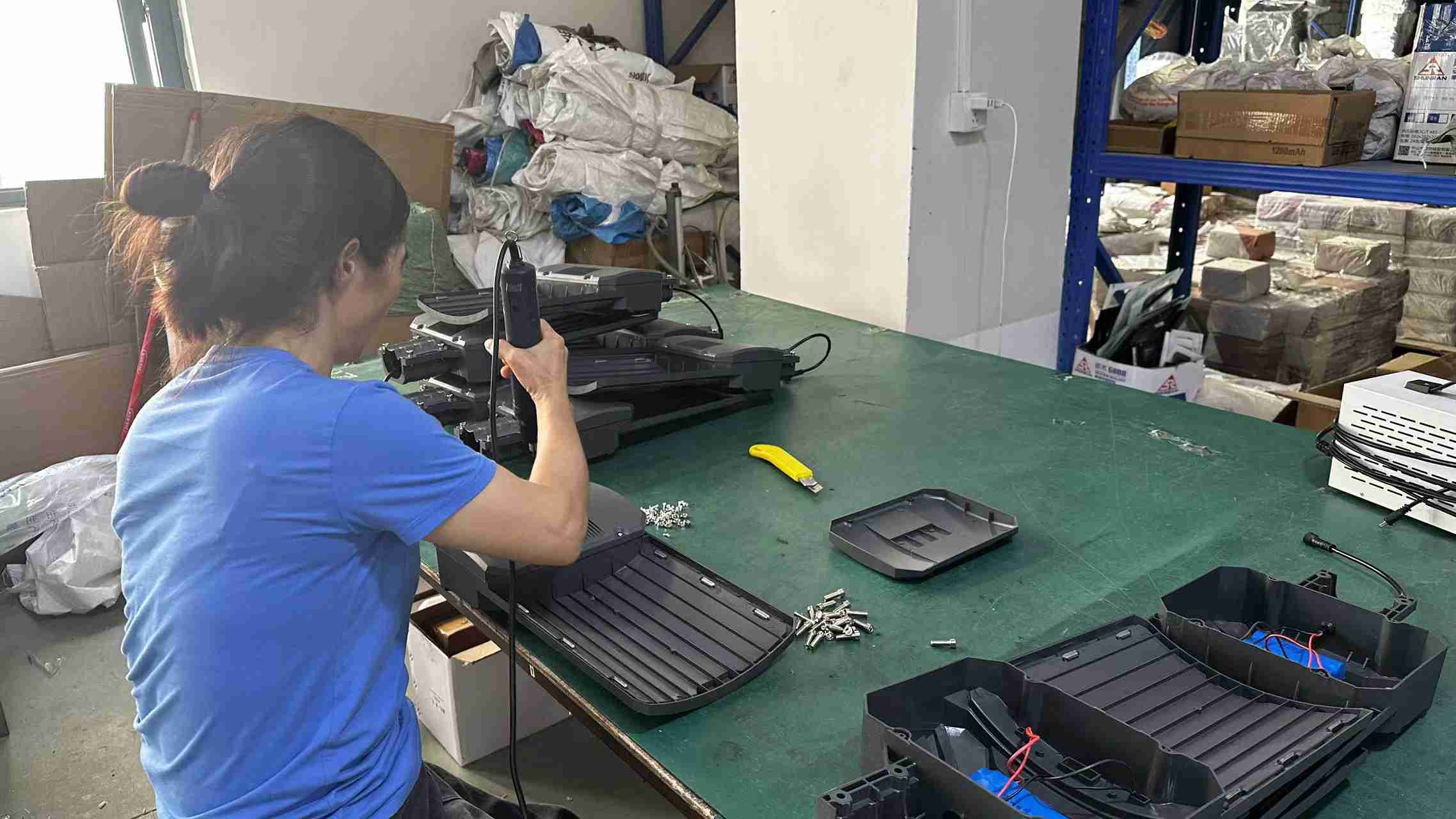
As a direct-to-market manufacturer, we bridge the gap between high-end performance and cost-effectiveness. Our production line is optimized for Information Gain—meaning every iteration of our stadium lights incorporates real-world data from global installations to improve thermal management and optical precision.
Consult Our Engineering Team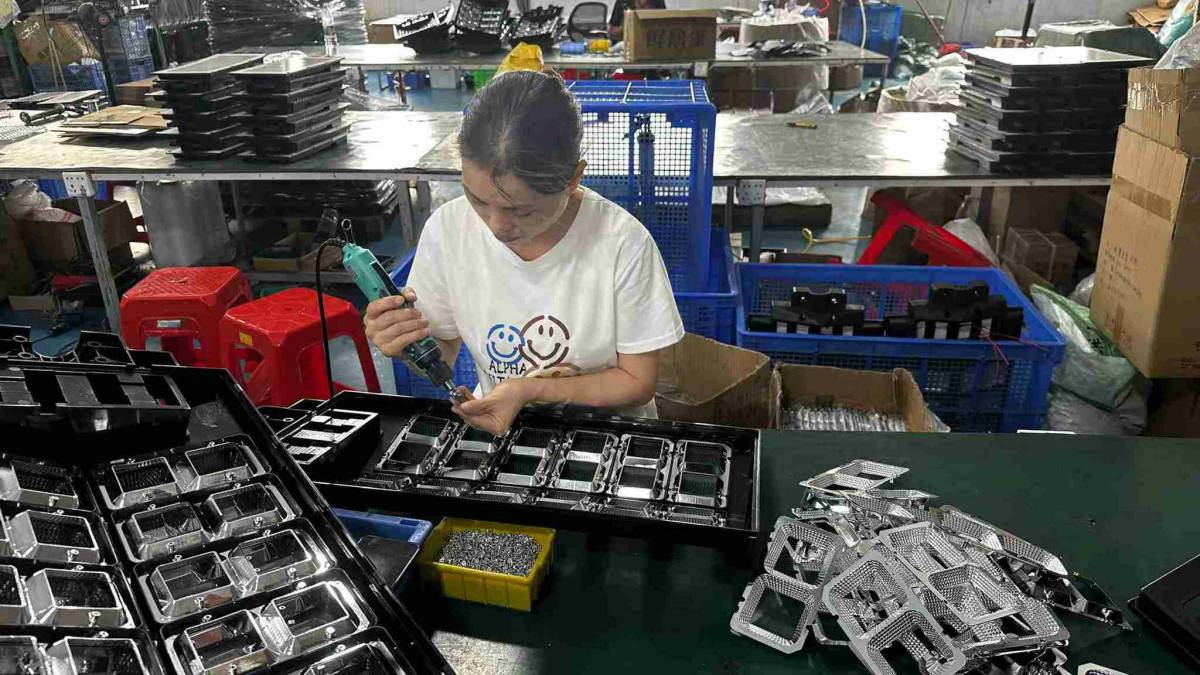
Night skiing requires high-contrast lighting that doesn't create glare on snow. Our stadium lights provide superior CRI (>80) to ensure safety on the slopes of Tyrol and Vorarlberg.
For community football fields in densely populated districts, our "Cut-off" optical shields ensure the field is bright while the surrounding apartments remain dark.
Austrian logistics hubs require 24/7 reliability. Our high-mast lights offer 1000W+ performance with high-lumen output (160lm/W) for massive sorting yards.
The next decade of stadium lighting is defined by Human-Centric Lighting (HCL) and Circular Economy principles. For Austrian procurement officers, this means looking for modularity—the ability to replace a single driver or LED chip without discarding the entire fixture. This aligns with EU sustainability directives and offers a lower Total Cost of Ownership (TCO).
Furthermore, Flicker-Free technology is now a requirement, not an option. As smartphone slow-motion and 4K broadcasting become standard at even amateur levels, the pulse-width modulation (PWM) of drivers must be engineered to prevent the "strobe effect" on video.
The misconception that "local is always better" is being challenged by the supply chain efficiency of Zhongshan. While European brands often assemble parts, Merak Lighting controls the full ecosystem. This allows us to offer:
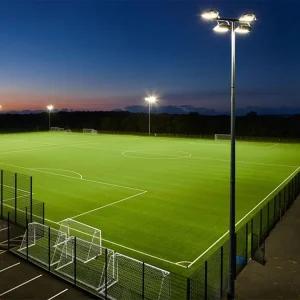 Outdoor Waterproof IP66 1200 Watt LED Stadium Lights for Football & Tennis Court
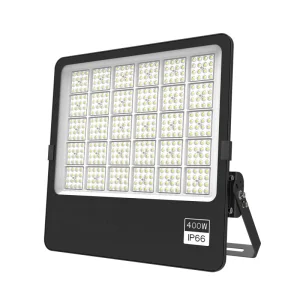 Hot Design Strong Stand 50w-500w Sport Stadium Lights Led Flood Lamp Outdoor
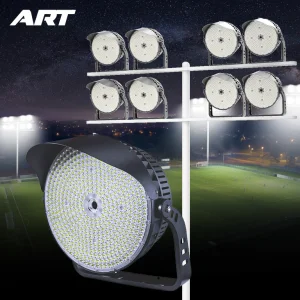 AORUITAI IP65 600w-1200w High Brightness LED Sport High Mast Light for Airports & Stadiums
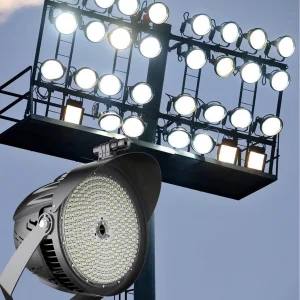 1200W LED Sports Stadium Flood Light 300w-1000w Dali Dmx RGBW for Arena Effects
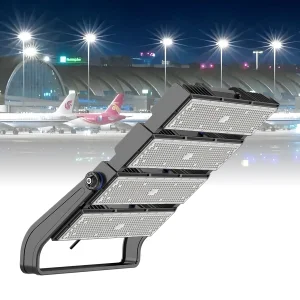 Power Switchable 1000W LED Stadium Lights 140LM/W Dimmable for All-Weather Courts
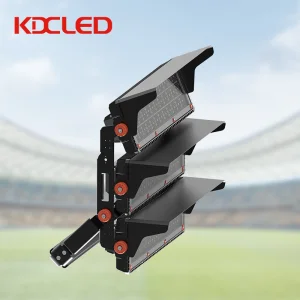 KDC Professional Outdoor Lighting Football Field 1000watt Stadium Flood Light
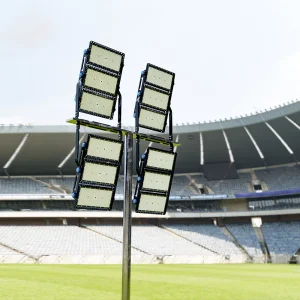 Aluminum Stadium Lights High Power 500w-1000W Football Baseball High Mast Series
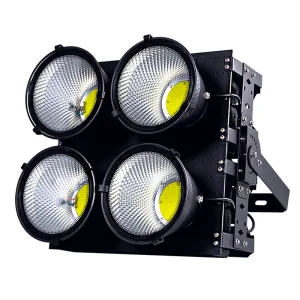 1000w Outdoor High-Intensity LED Stadium Spot Light for Professional Football Arenas
 Merak Lighting