In the modern industrial and commercial architecture sector, Egress Lighting is no longer just a regulatory checkbox—it is a critical component of life safety infrastructure. As urbanization accelerates across the Middle East, North America, and Southeast Asia, the demand for robust, reliable, and intelligent emergency exit systems has reached unprecedented levels.
High-rise office buildings and shopping malls require integrated egress systems that connect to Central Battery Systems (CBS) for centralized monitoring and maintenance.
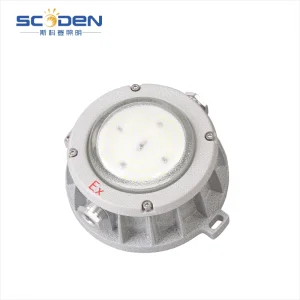
Oil & Gas facilities and chemical plants demand Explosion-Proof Egress Lights (ATEX/IECEx certified) to ensure safe evacuation even in volatile atmospheres.
Hospitals and transportation hubs prioritize "Stay-Put" lighting and high-lumen output to maintain order during power outages or fire emergencies.
According to recent market analysis, the global emergency lighting market is projected to grow at a CAGR of 7.5% through 2030, driven by stricter fire safety codes (like NFPA 101 and EN 1838) and the transition from traditional Ni-Cd batteries to high-density Lithium Iron Phosphate (LiFePO4) technology.
The evolution of egress lighting has moved through three distinct phases, each offering significant "Information Gain" for procurement directors looking to future-proof their assets.
Switching from incandescent or fluorescent lamps to LED has reduced energy consumption by up to 80% while extending the lifespan of emergency units to over 50,000 hours. This significantly reduces the Total Cost of Ownership (TCO).
Modern top-tier exporters now provide units with "Self-Test" functionality. These lights automatically perform monthly and annual discharge tests, indicating status via bi-color LEDs, thus eliminating the need for manual labor-intensive inspections required by OSHA.
The future lies in Connected Egress Lighting. Using protocols like DALI (Digital Addressable Lighting Interface) or Zigbee, egress lights can now report real-time health data to a cloud-based dashboard, predicting battery failure before it happens.
Zhongshan Merak Lighting Co., Ltd. stands as a beacon of reliability in the heart of China’s lighting capital. As a professional manufacturer, Merak transcends the role of a simple supplier; they are a strategic partner in global safety compliance.
"Our success is built upon a deep understanding of our customers’ needs. We are committed to delivering exceptional products, responsive service, and tailored solutions that help our clients achieve their business goals."
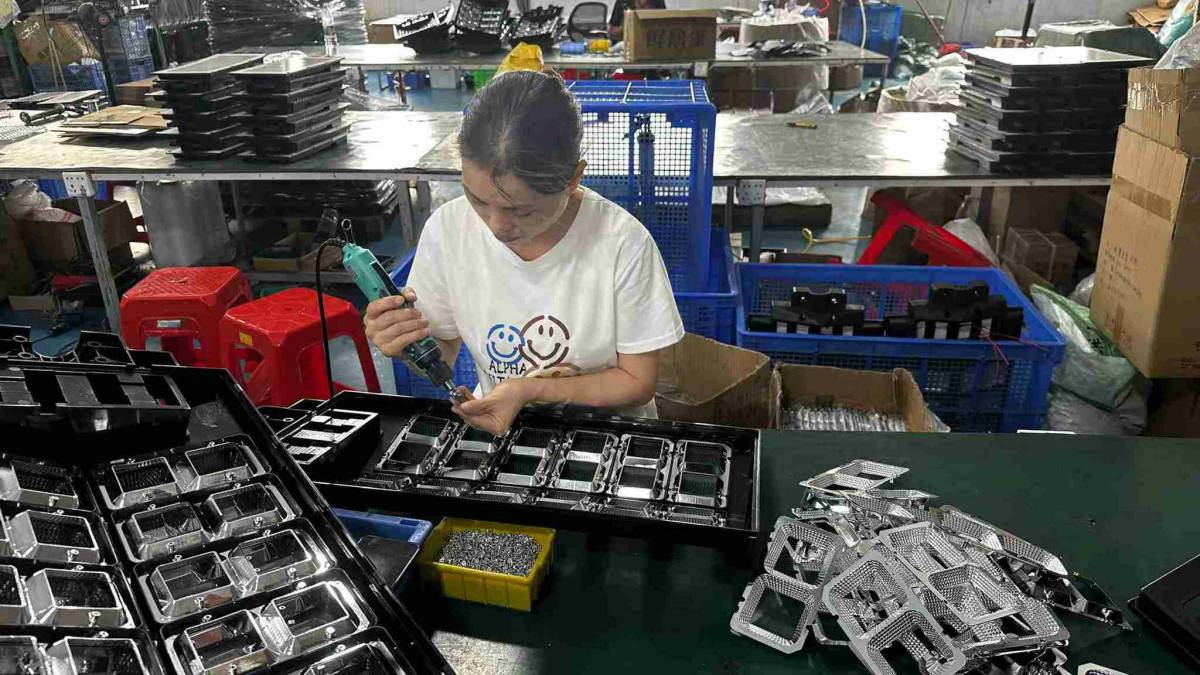
Precision Screwing
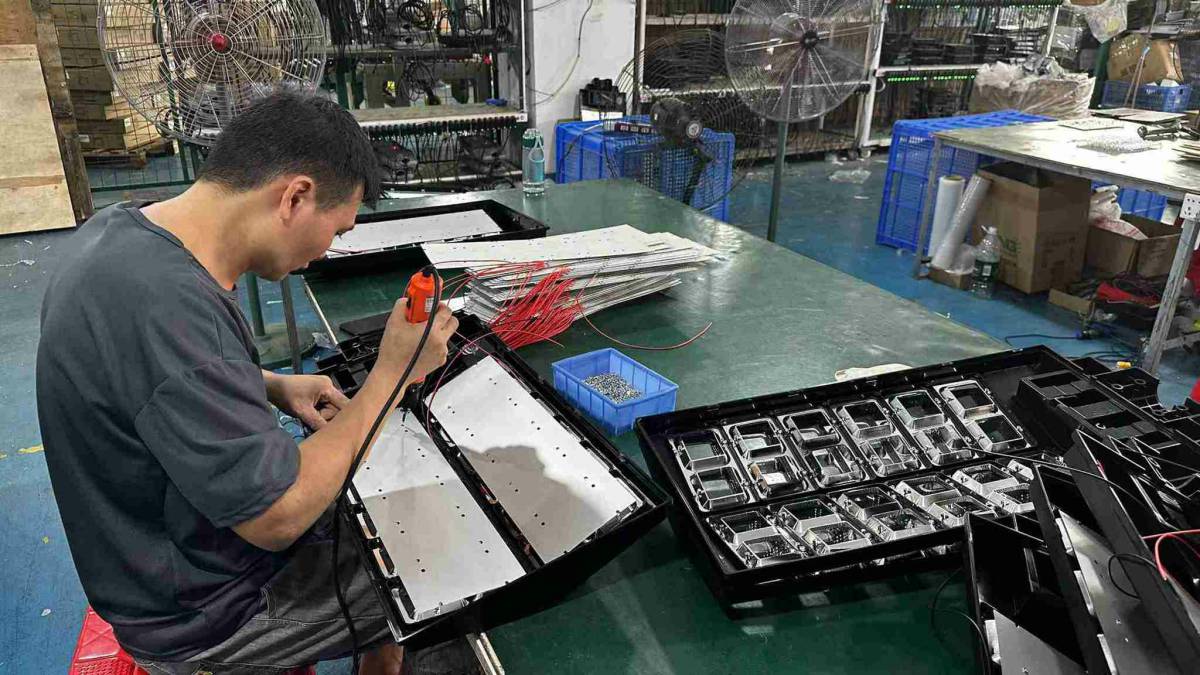
Module Assembly
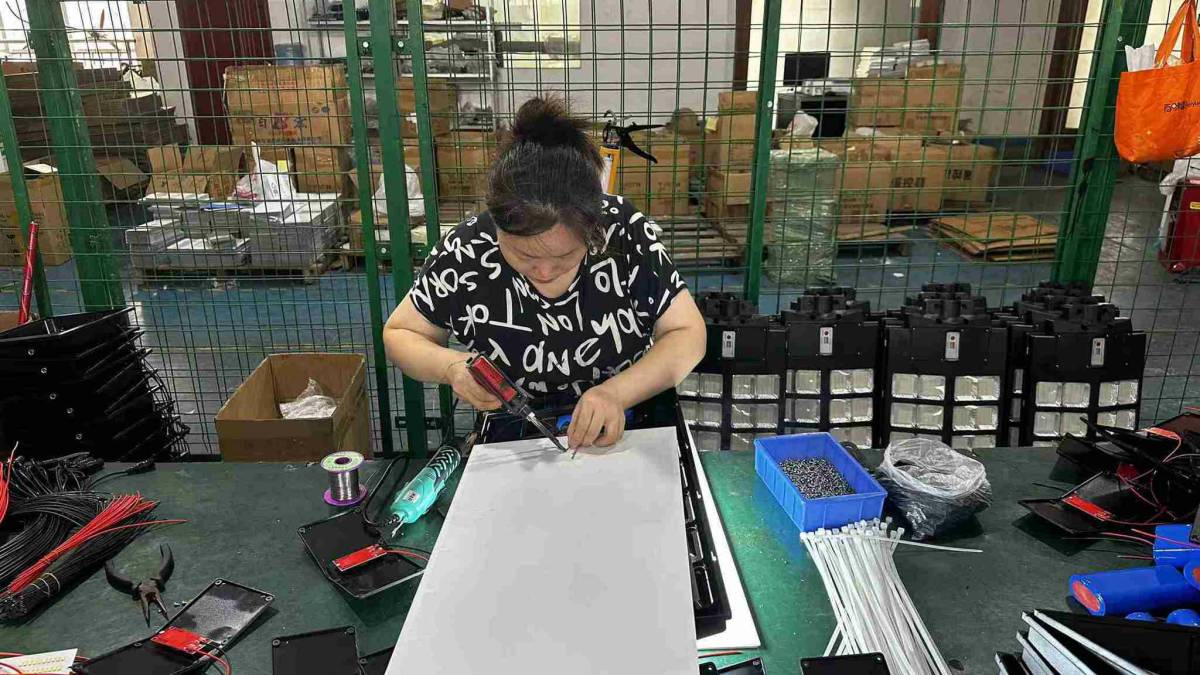
Expert Soldering
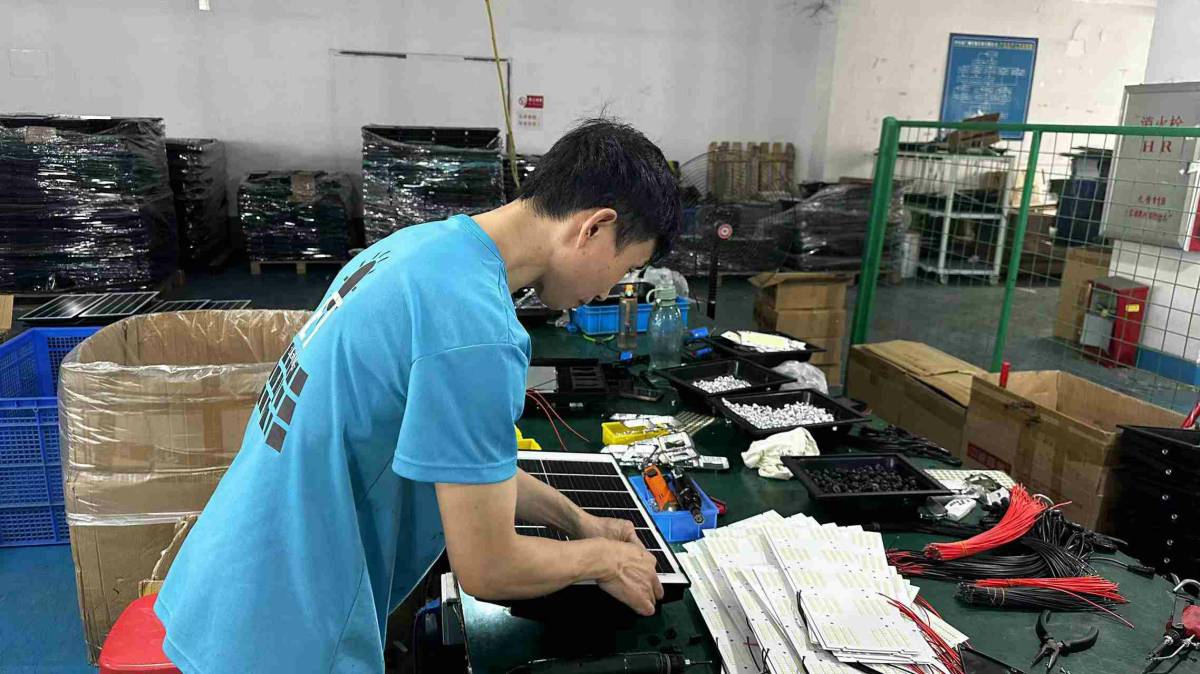
Quality Inspection
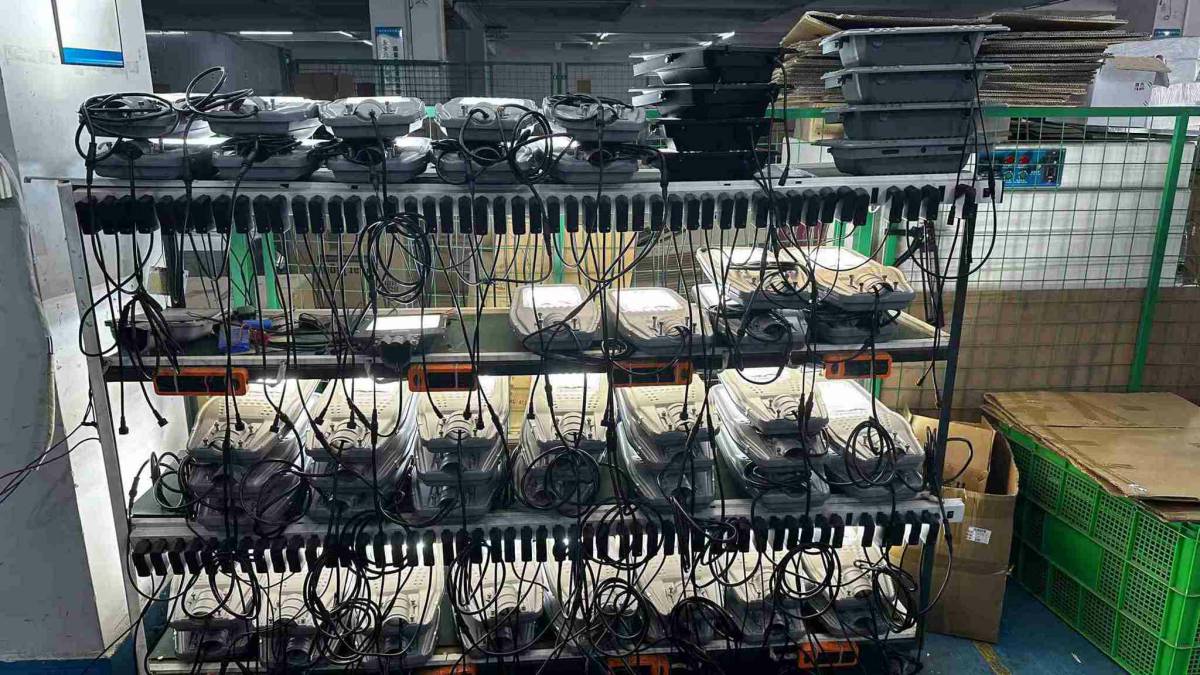
Strict Aging Test
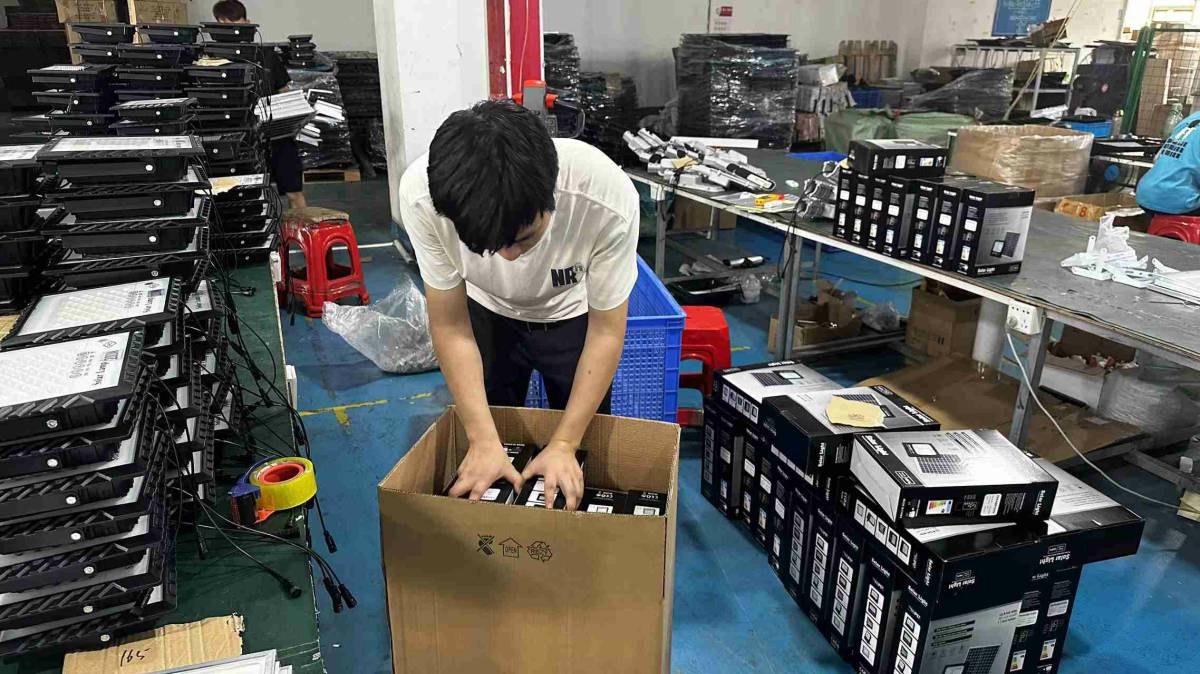
Secure Packing
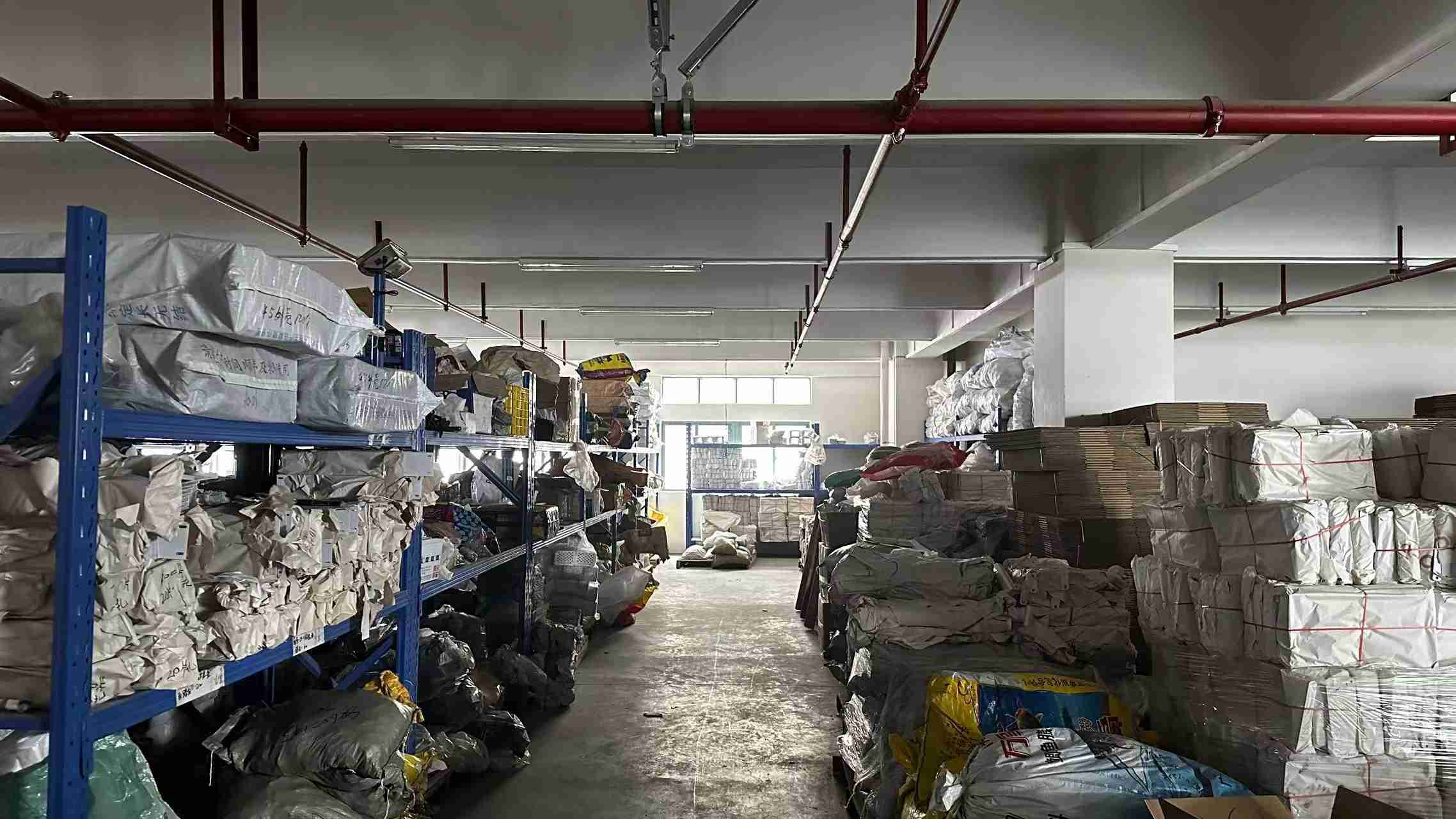
Material QC
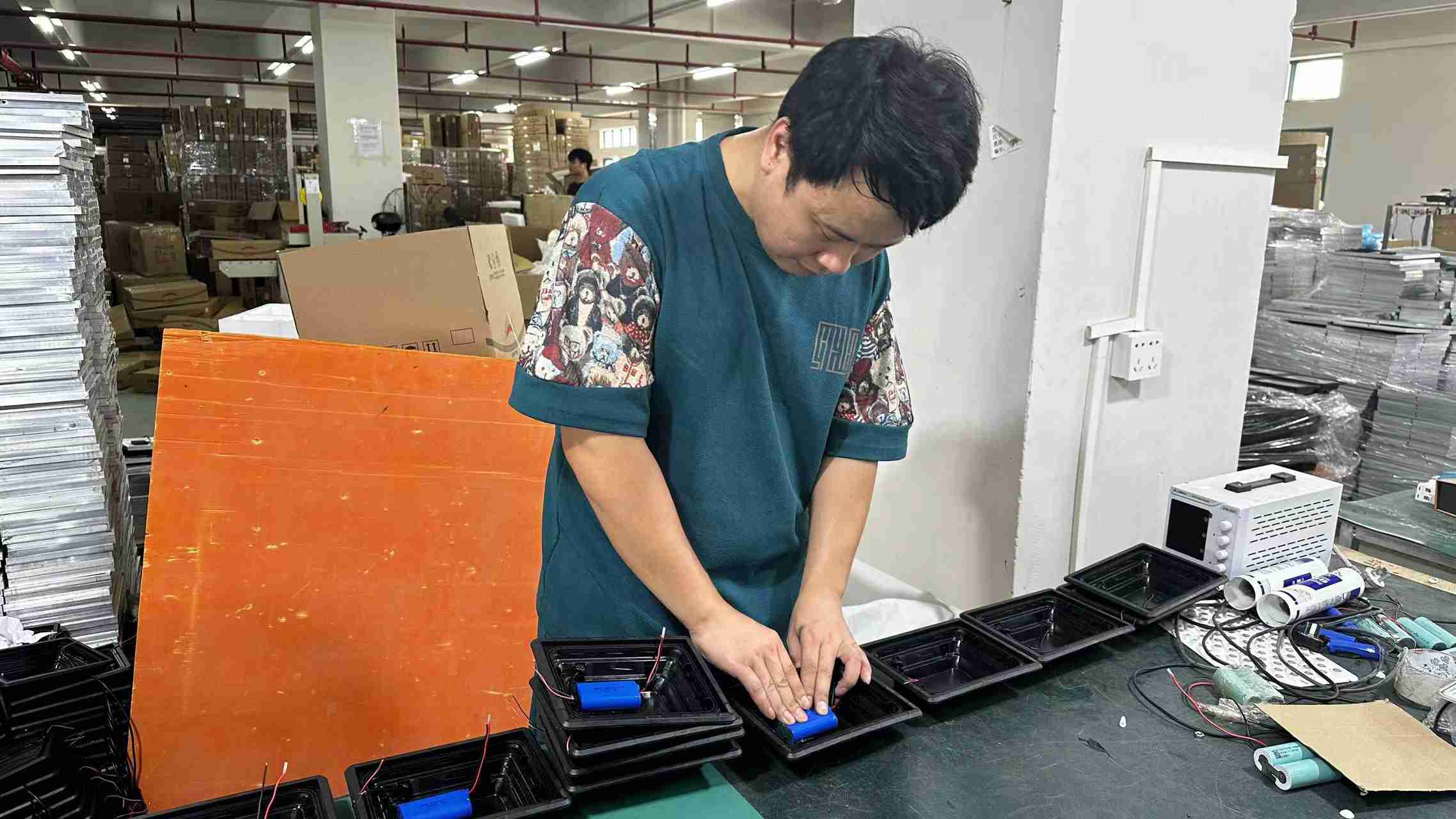
Battery Integration
One of the primary challenges for international exporters is the fragmentation of safety standards. A "Top 10" supplier must demonstrate expertise in:
Focus on UL 924 (Emergency Lighting and Power Equipment). Requirement for 90-minute emergency operation and specific path-of-egress illumination levels (1 foot-candle average).
Focus on EN 60598-2-22. Demands rigorous flame-retardant materials (Glow wire test at 850°C) and specific IP ratings for moisture protection.
High-temperature resistance is key. Products must be tested to withstand extreme ambient temperatures while maintaining battery health and lumen output.
Requires specific classification codes (e.g., C0, D80) based on the light distribution to determine the maximum spacing between units.
As we move towards Industry 5.0, egress lighting will integrate with Building Information Modeling (BIM) to provide dynamic exit paths. Instead of a static green sign, AI-driven systems will use laser projection to guide occupants away from the source of fire or danger in real-time. Suppliers who embrace these technologies today will be the market leaders of tomorrow.
Partner with Merak Lighting to illuminate the path to a safer, more efficient future.
 Merak Lighting